Guides
How to Clean and Protect a Tonneau Cover
Mild soap and water, a protectant if it is vinyl, and clearing the rail channels. That is the whole routine.
By Michael W. · Published October 5, 2026

Cover & Cargo earns a commission from qualifying purchases made through links on this page, at no extra cost to you. It does not change what we recommend or the order we rank things in — here is how we choose and here is the full disclosure.
What this is based on: published manufacturer specifications and warranty terms, cited on each cover; independent published tests where they exist, named and linked; and verifiable owner reports of specific failure modes. We have not fitted these covers to a truck, we do not run a test lab, and we do not claim a test we did not run. Where the evidence for a cover is thin, the page says it is thin.
Quick picks
| # | Cover | Best for | Score | Price |
|---|---|---|---|---|
| 1 | 303 Aerospace ProtectantThe UV protectant the vinyl-cover makers keep pointing at. Published SPF 40, specifically listed for tonneau covers, and the cheapest thing you can do to stop a soft cover chalking. | Best UV protectant | 8.5out of 10 | |
| 2 |  TruXedo Lo ProThe TruXport with the profile taken out of it: a published three-quarters of an inch above the rails, a leather-grained finish, and a limited lifetime warranty against defects. | Vinyl that rewards care | 7.6out of 10 | |
| 3 |  BAKFlip MX4The default hard folding cover, and the one most buyers should start from: 400 lb rating, a 5-year warranty, 100 percent bed access, and a seal design the maker revised specifically to stop bulkhead seepage. | Low-maintenance hard cover | 8.4out of 10 |
Scores are our own editorial judgment on the rubric published at our editorial policy page, weighing security, weather sealing, bed access, install effort, durability, value. They are read off published specifications, warranty terms and sourced owner reports. They are not measurements we took, and they are not user ratings.
The short answer
Mild automotive soap and water only. BAK specifies exactly that for the Revolver X4s, and it is sound advice for every cover here.
Vinyl needs a UV protectant two or three times a year. Aluminum and TPO do not.
Clear the rail channels twice a year. That one habit prevents most of the seal and drain problems that end in a repair.
Washing
BAK's published maintenance guidance for the Revolver X4s is mild automotive soap and water only. That rules out most of what people reach for: degreasers, household cleaners, solvent-based quick detailers, and anything described as a cleaner-wax.
The reasoning is straightforward. A tonneau cover is an assembly of several materials — aluminum, powder coat, vinyl or canvas, EPDM rubber seals, plastic trim — and the cleaner that is safe for one may not be safe for another. Mild soap is safe for all of them.
- Rinse loose grit off first. Wiping grit across a panel is how a cover gets scratched.
- Wash with mild automotive soap and a soft wash mitt, working front to back.
- Open the cover and wash the underside and the rail channels. This is the part people skip and it is where the problems start.
- Rinse thoroughly, including the channels.
- Dry with a clean microfiber. Letting it air-dry leaves water spots, especially on a matte finish.
Vinyl: the part that needs protecting
Vinyl chalks under UV. It is a slow, unglamorous failure — the surface loses its sheen, goes faintly powdery, and eventually hardens and cracks. It is also almost entirely preventable.
303 Aerospace Protectant publishes SPF 40 UV protection, which it states is the most offered by any surface protectant, and is specifically listed for tonneau cover use. It covers vinyl, rubber, plastic, leather and fiberglass. Each application is stated to last months.
How to apply it
- Wash and dry the cover first. Protectant over grit seals the grit in.
- Work out of direct sun, as the manufacturer specifies.
- Spray and then wipe completely dry. The published instruction is explicit about the wiping — leaving it wet is what causes streaking.
- Two or three times a year is enough for most trucks. More if it lives outside in hard sun.
Worth knowing: this is prevention only. A protectant will not reverse vinyl that has already chalked.
Hard covers need less
Aluminum, TPO and FRP panels have their own factory coatings and do not need a vinyl protectant. Textured matte finishes in particular should not be waxed — wax sits in the texture and goes patchy.
What hard covers do need is the same channel-clearing and seal care as anything else, plus attention to the clamp contact points, which is where corrosion starts on a cover that is otherwise fine.
Seals and channels: the twice-a-year job
This is the maintenance that actually prevents failures, and almost nobody does it.
- Open the cover and clear both rail channels — leaf litter, pine needles, road grit. A vacuum is easiest.
- Wipe the seals with mild soap and water. Grit under a seal holds it off the sealing surface, which is a leak, and abrades the rubber, which is a future leak.
- Flush the drain tubes with a little water and confirm it comes out underneath the truck within a few seconds.
- Check the clamps are still tight to specification. Vibration settles them, which is why BAK publishes advice to re-check after the first week.
Pressure washers
Keep the lance well back and never aim it at a seal line or a drain tube. A pressure washer will push water past a seal that handles rain perfectly well, and can dislodge a seal from its channel entirely. If you pressure wash the truck, do the cover by hand.
Winter
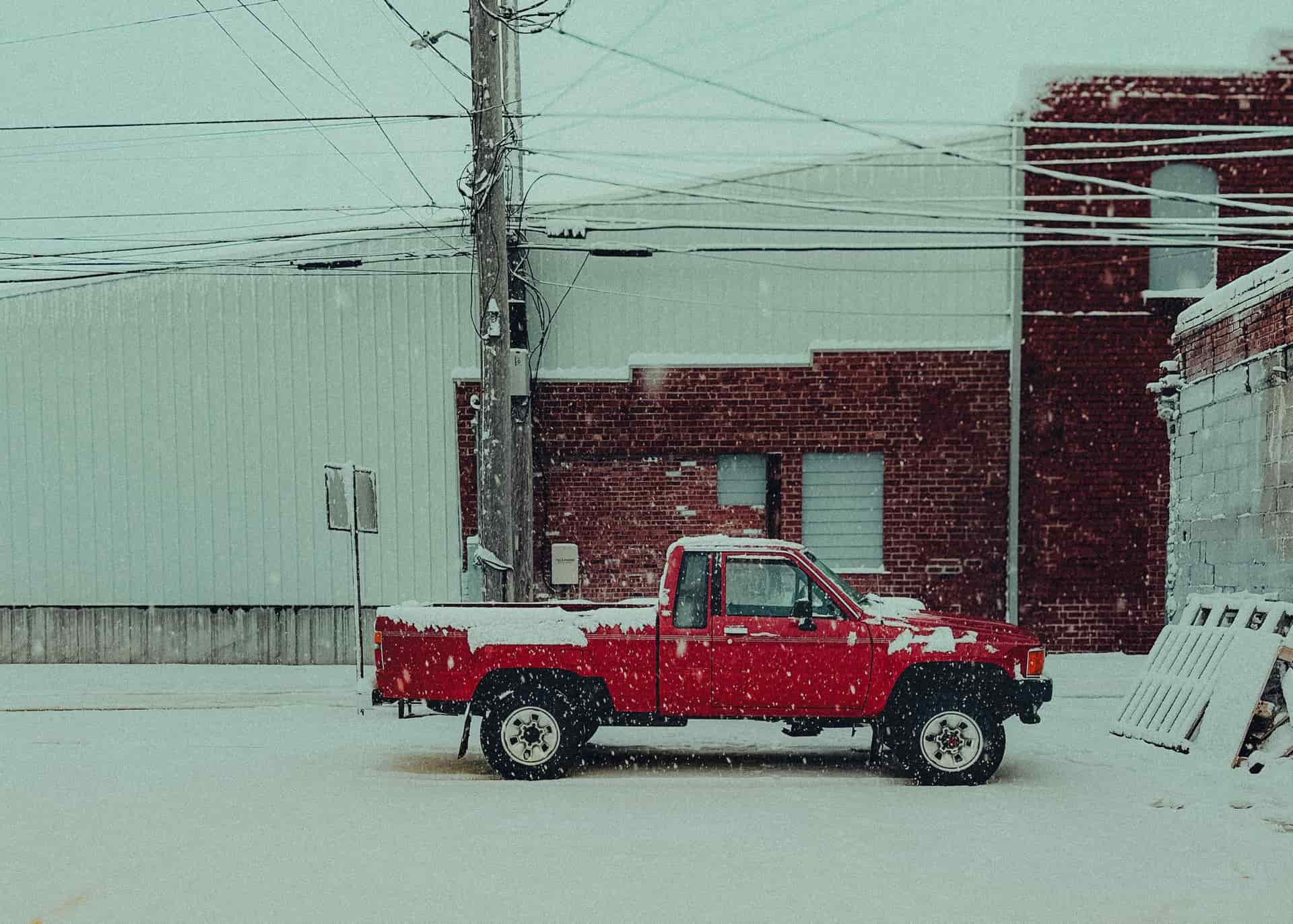
Road salt is hard on clamps, hardware and powder coat. Rinse the underside of the cover and the rail channels more often through a salted winter than you otherwise would, and clear snow rather than letting it accumulate — snow and ice in full.
The picks in detail
#1 · Keeping vinyl alive
303 Aerospace Protectant
303 Products · Accessory
The UV protectant the vinyl-cover makers keep pointing at. Published SPF 40, specifically listed for tonneau covers, and the cheapest thing you can do to stop a soft cover chalking.
What it does well
- Published SPF 40 rather than an unquantified 'UV protection' claim
- Explicitly listed for tonneau cover use by the manufacturer
- Months per application, so it is a two-or-three-times-a-year job, not a weekly one
Where it gives way
- Has to be wiped completely dry or it streaks
- Does nothing for a hard aluminum or TPO cover
- Will not reverse vinyl that has already chalked — it is prevention only
Skip it if: Aluminum or TPO hard panels, which have their own coatings and do not need it.
| Protection | SPF 40 UV protection — the highest claimed by any surface protectant |
|---|---|
| Surfaces | Vinyl, rubber, plastic, leather, fiberglass |
| Application | Spray and wipe completely dry, out of direct sun |
| Interval | Each application stated to last for months |
| Finish | No greasy residue; repels water and dirt |
Specifications read from 303 Products — Aerospace Protectant published product description, Sailrite listing.
#ad We show no price until we can verify one. How this is funded
#2 · A soft cover that sits flush
TruXedo Lo Pro
TruXedo · Roll-up (soft)
The TruXport with the profile taken out of it: a published three-quarters of an inch above the rails, a leather-grained finish, and a limited lifetime warranty against defects.
What it does well
- Limited lifetime defect warranty — the longest coverage in this registry
- Three-quarters of an inch above the rails is a published figure and it looks it
- Rails mount inside the bed, so the bed rail caps stay visible
Where it gives way
- Nearly full access, not full — the rolled bundle and its buckles stay in the bed
- Soft cover, so the security story is the same as every soft cover: there isn't one
- An hour to fit rather than the TruXport's 30 minutes
Skip it if: Anyone expecting the whole bed clear. Rolled and buckled it gives nearly full access, not the TruXport's clean 100 percent.
| Construction | Industrial-grade tear-resistant vinyl, gloss-black powder-coated aluminum frame |
|---|---|
| Finish | Leather-grained vinyl |
| Warranty | Limited lifetime against manufacturing and material defects |
| Stated install time | Less than 1 hour |
| Drilling | None — no-drill clamp-on mounting |
| Profile height | ¾ inch above the bed rails |
| Bed access | Roll to the bulkhead and buckle for nearly full access; tool-free removal |
Specifications read from RealTruck — TruXedo Lo Pro published specifications.
#ad We show no price until we can verify one. How this is funded
#3 · Most truck owners
BAKFlip MX4
BAK Industries · Hard folding
The default hard folding cover, and the one most buyers should start from: 400 lb rating, a 5-year warranty, 100 percent bed access, and a seal design the maker revised specifically to stop bulkhead seepage.
What it does well
- 400 lb evenly distributed rating is at the top of the folding class, and it is published rather than implied
- The revised EPDM perimeter seal plus drain system targets the bulkhead, which is where folding covers actually leak
- Folds flat against the cab for full bed access without taking the cover off the truck
- 5-year warranty is longer than most hard folding covers in the same bracket
Where it gives way
- Folded open it occupies roughly the front third of the bed — the published 100 percent access means the bed is reachable, not that the space is free
- Textured black finish shows water spotting on dark trucks more than a gloss panel does
- No published figure for cover weight, so the one-person-install question is unanswered by the maker
Skip it if: Anyone who needs the bed open and covered at the same time all day. Folded against the cab it eats the front third of the bed, and nothing folding escapes that.
| Construction | Multi-layer aluminum, polymer-reinforced top panels |
|---|---|
| Finish | Textured matte black |
| Load rating | 400 lb, evenly distributed |
| Warranty | 5 years |
| Stated install time | 30 minutes or less |
| Drilling | None required on most trucks |
| Bed access | 100 percent — folds flush against the cab |
| Sealing | EPDM perimeter seals, integrated drainage |
Specifications read from RealTruck — BAKFlip MX4 (Gen 3) published specifications.
#ad We show no price until we can verify one. How this is funded
Common questions
How do you clean a tonneau cover?
Mild automotive soap and water only — BAK specifies exactly that for the Revolver X4s and it is sound for every cover. Rinse loose grit first, wash with a soft mitt, open the cover and wash the underside and rail channels, rinse thoroughly and dry with a microfiber rather than letting it air-dry.
What should you put on a vinyl tonneau cover?
A UV protectant, two or three times a year. 303 Aerospace Protectant publishes SPF 40, is specifically listed for tonneau cover use, and each application is stated to last months. Apply it to a clean dry cover, out of direct sun, and wipe it completely dry or it streaks.
Can you wax a tonneau cover?
Not a textured matte one — wax sits in the texture and goes patchy. Hard aluminum, TPO and FRP panels have their own factory coatings and do not need a vinyl protectant either. What they do need is the same rail-channel clearing and seal care as any cover.
Can you pressure wash a tonneau cover?
Keep the lance well back and never aim it at a seal line or a drain tube. A pressure washer will push water past a seal that handles rain perfectly well, and can dislodge a seal from its channel. If you pressure wash the truck, do the cover by hand.
Sources
- Sailrite — 303 Aerospace Protectant published product specifications
- RealTruck — BAK Revolver X4s published specifications, read 2026-10-05
- RealTruck — BAKFlip MX4 (Gen 3) published specifications, read 2026-10-05
- RealTruck — TruXedo Lo Pro published specifications, read 2026-10-05
- Gator ETX Soft Roll Up Tonneau Cover — retailer listing specifications
Read next
Guides
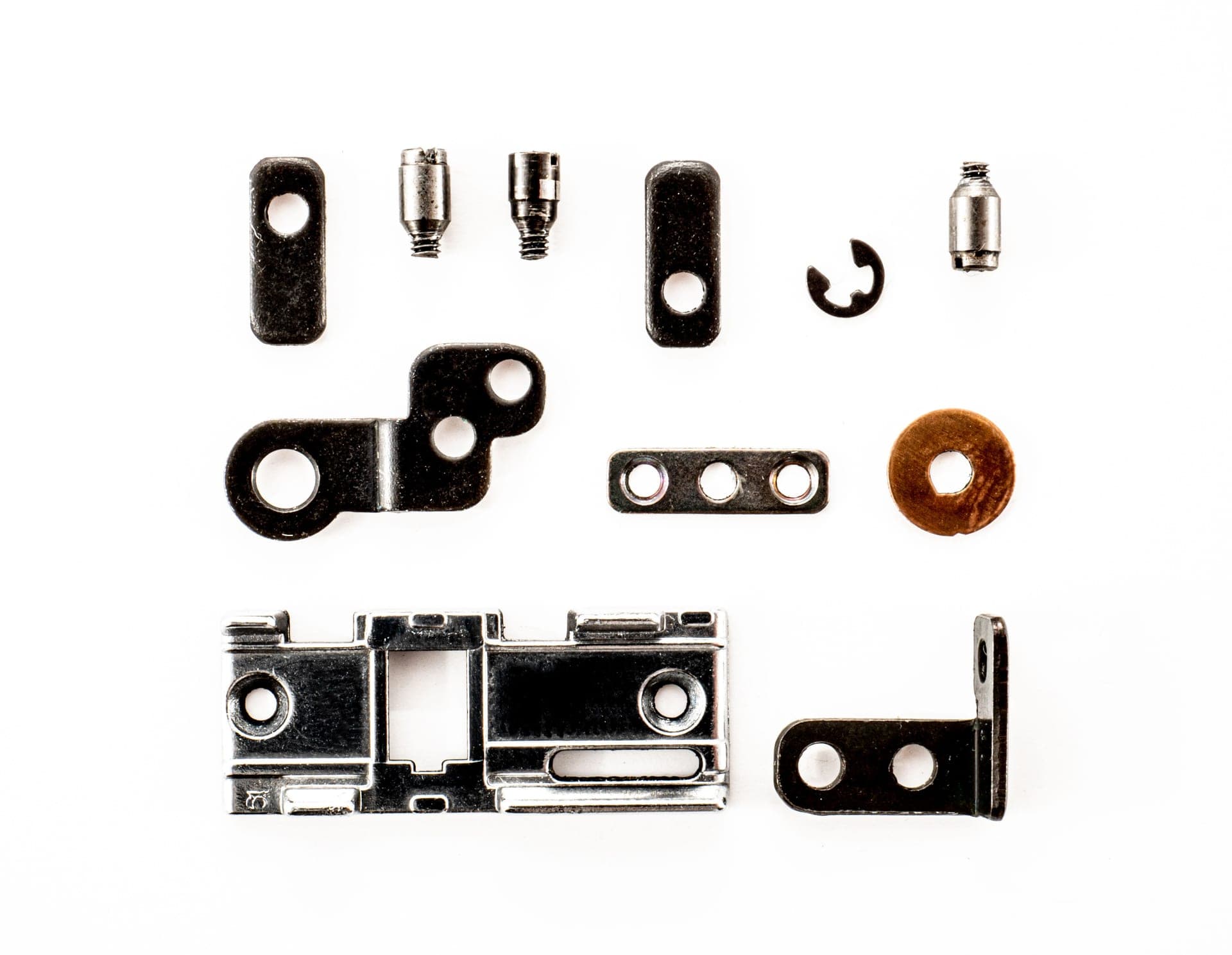
Tonneau Cover Replacement Parts
Which tonneau cover parts are sold separately, which are not, and how to find your part number before ordering anything.

Guides
Do Tonneau Covers Leak?
Why every tonneau cover leaks a little, the two places it happens, and the seal designs that handle it properly.
Covers by Type
The Best Soft Tonneau Covers
Six vinyl covers with the warranty splits and seal designs laid out, and a straight answer on what a soft cover will and will not do.
Guides
Tonneau Cover Problems and Troubleshooting
The five causes behind almost every tonneau cover problem, in diagnostic order, with the three that cost nothing to fix.
Guides
Tonneau Covers in Snow and Ice
What snow accumulation does to a cover's rating, how to clear it without damaging a seal, and which covers publish cold-weather testing.
Guides
How to Fix a Leaking Tonneau Cover
The two free fixes that resolve most tonneau cover leaks, in diagnostic order - and no product recommendations, deliberately.