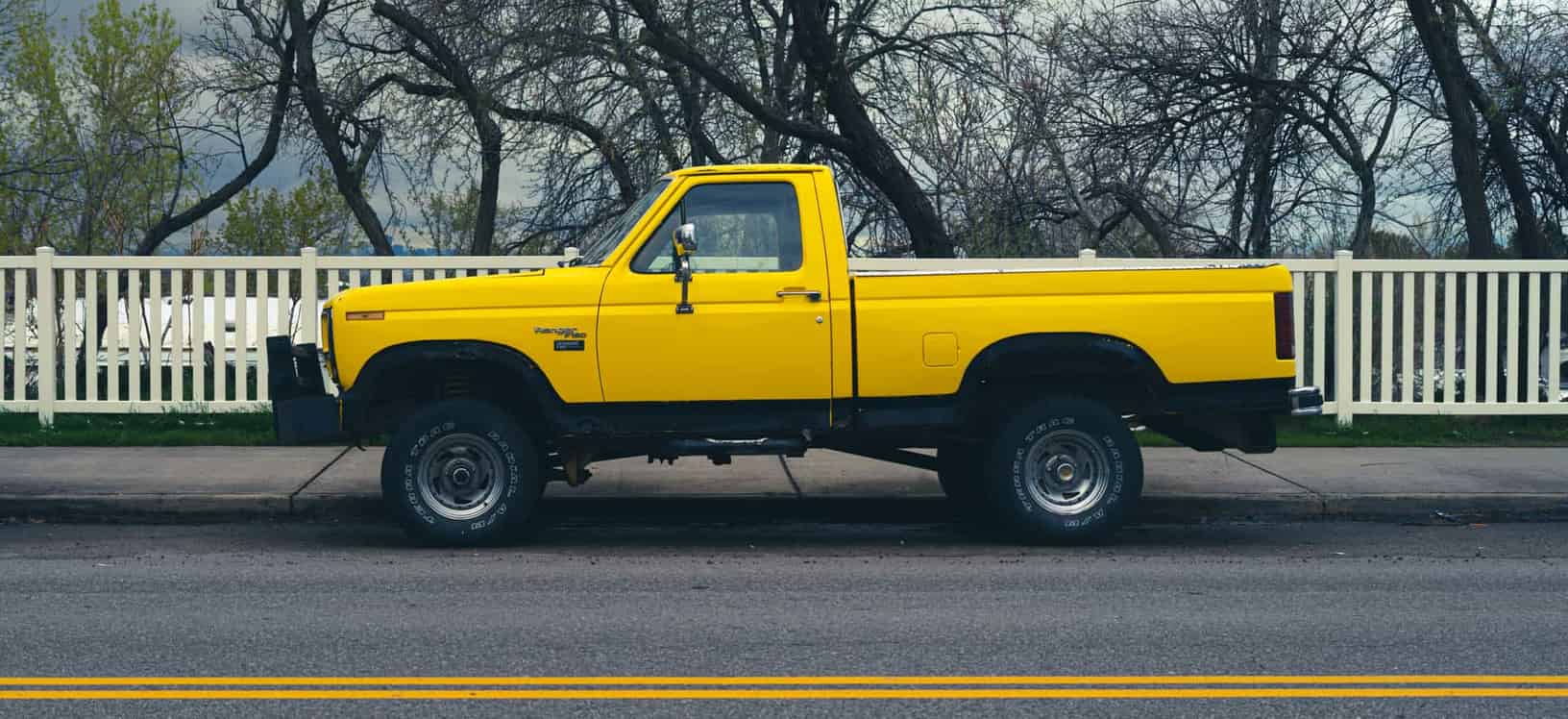
Hard vs soft
Hard vs Soft Tonneau Cover
The structural decision in this category, settled by one question about what lives in your bed - with both sides scored.
You are down to two. Here is what separates them, in published numbers rather than adjectives.
Cover & Cargo earns a commission from qualifying purchases made through links on this page, at no extra cost to you. It does not change what we recommend or the order we rank things in — here is how we choose and here is the full disclosure.
Every page in this section exists because somebody got to the end of their research with two covers open in two tabs. That is the hardest moment in the purchase and the one with the least honest help available, because most comparison content is a roundup with the losers deleted.
These pages work differently. Both products are in our registry, both get the same six-metric score, both get a buy link, and the page tells you which specific buyer should pick each one rather than crowning a single winner. A comparison with one recommendation is a roundup wearing a costume.
These are the structural decisions, and they are worth settling before you look at a single brand. Pick the type first and the model choice gets much easier, because within a type the covers are more similar than the marketing suggests.
Once the type is settled, these are the specific pairs people actually compare. Each page puts the two spec sheets in one table — load rating, warranty, seal design, published install time — and then says plainly which of the two we would pick and for whom.
The pattern that comes up again and again: the more expensive cover in a pair is usually buying you warranty length and load rating, not a different kind of product. The BAKFlip MX4 and G2 are the clearest example — same clamp-on fit, same drainage idea, and the gap is 100 lb of rating and two years of warranty. Whether that gap is worth the money depends entirely on whether you will ever put anything on top of the cover.
Both covers in every pair are scored on the same six metrics published at our editorial policy page: security, weather sealing, bed access, install effort, durability and value. Each metric is read off published specifications, warranty documents and sourced owner reports — not from an impression, and not from having used them, because we have not.
Where a manufacturer does not publish a figure, the cell says "not published" rather than carrying a guess. That happens more than you would expect: LOMAX publishes no install time, Rough Country publishes no load rating, and RETRAX does not publish canister dimensions for any of its retractables. Those gaps are information too.
A note on close calls
Some of these pairs are genuinely close, and the page will say so. A comparison that always finds a decisive winner is a comparison that has decided in advance. Where the honest answer is "either, and here is the one thing that should tip you", that is what you will read.
Hard vs soft
The structural decision in this category, settled by one question about what lives in your bed - with both sides scored.

Roll-up vs tri-fold
Two shapes with the same no-drill install and completely different behavior when open - and which one suits which bed.
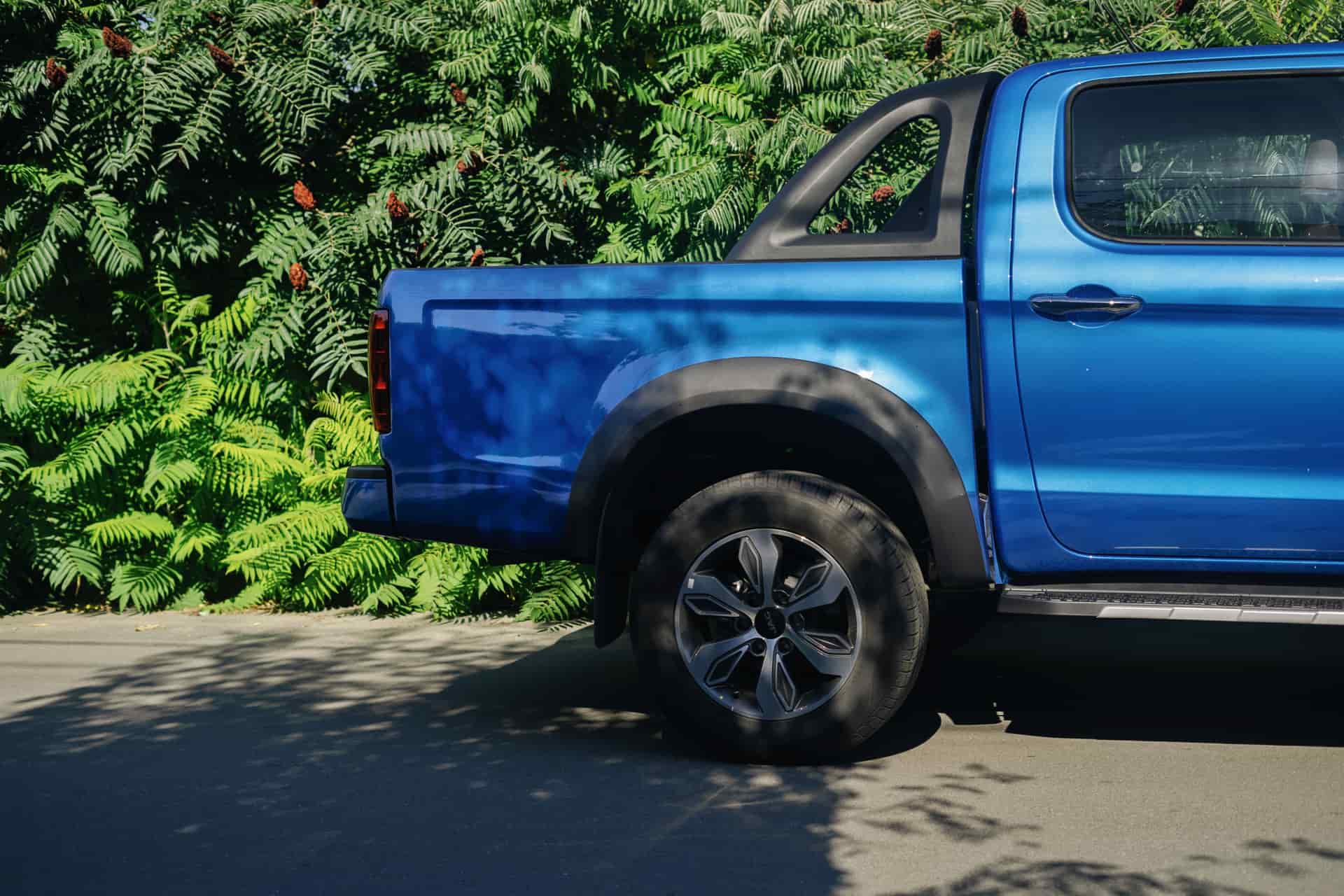
Retractable vs folding
The premium decision - lock quality and one-handed operation against removability and bed length, both scored.
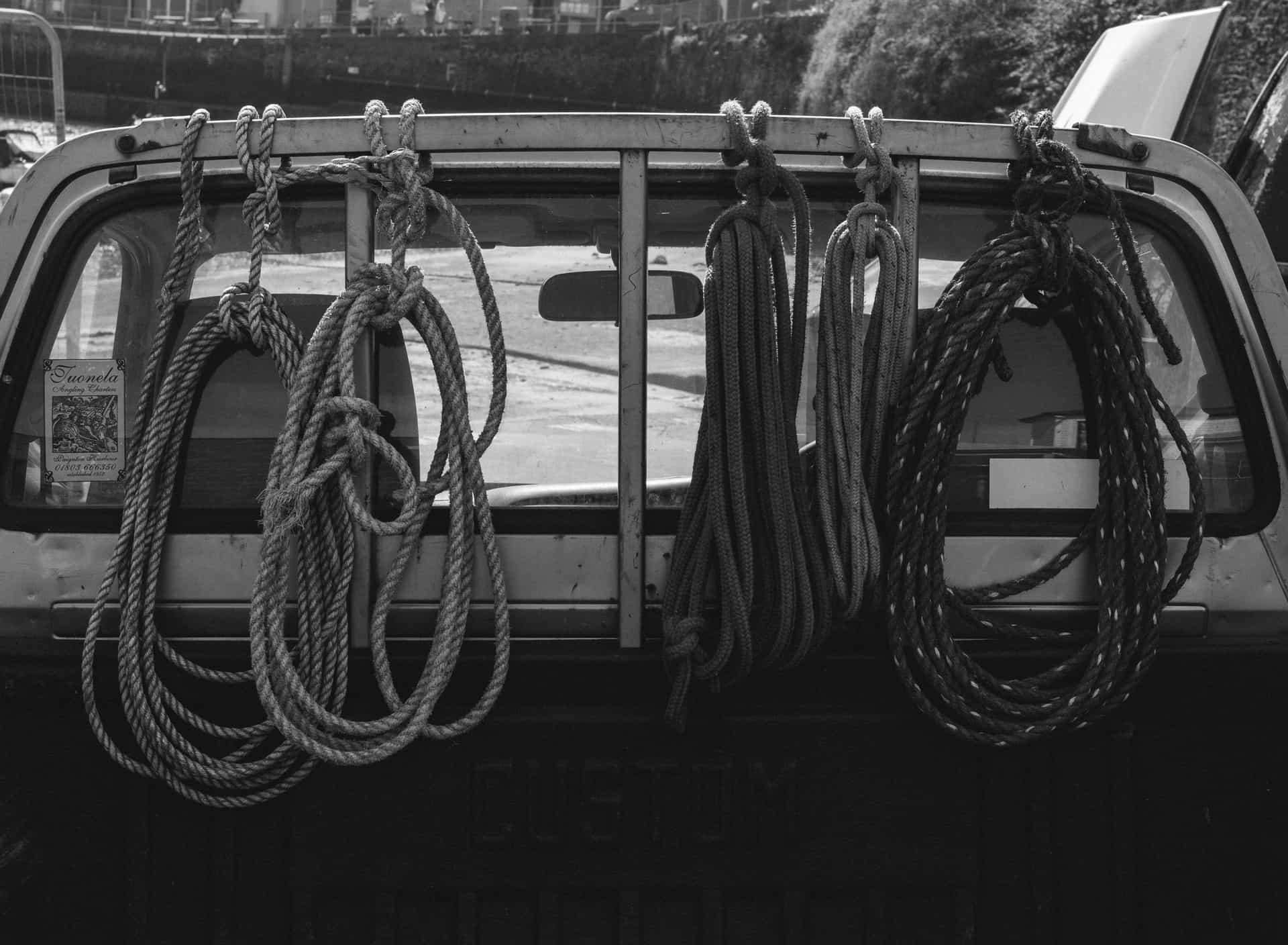
Folding vs rolling
Two hard-cover shapes at the same 400 lb class, separated entirely by what happens when you open them.
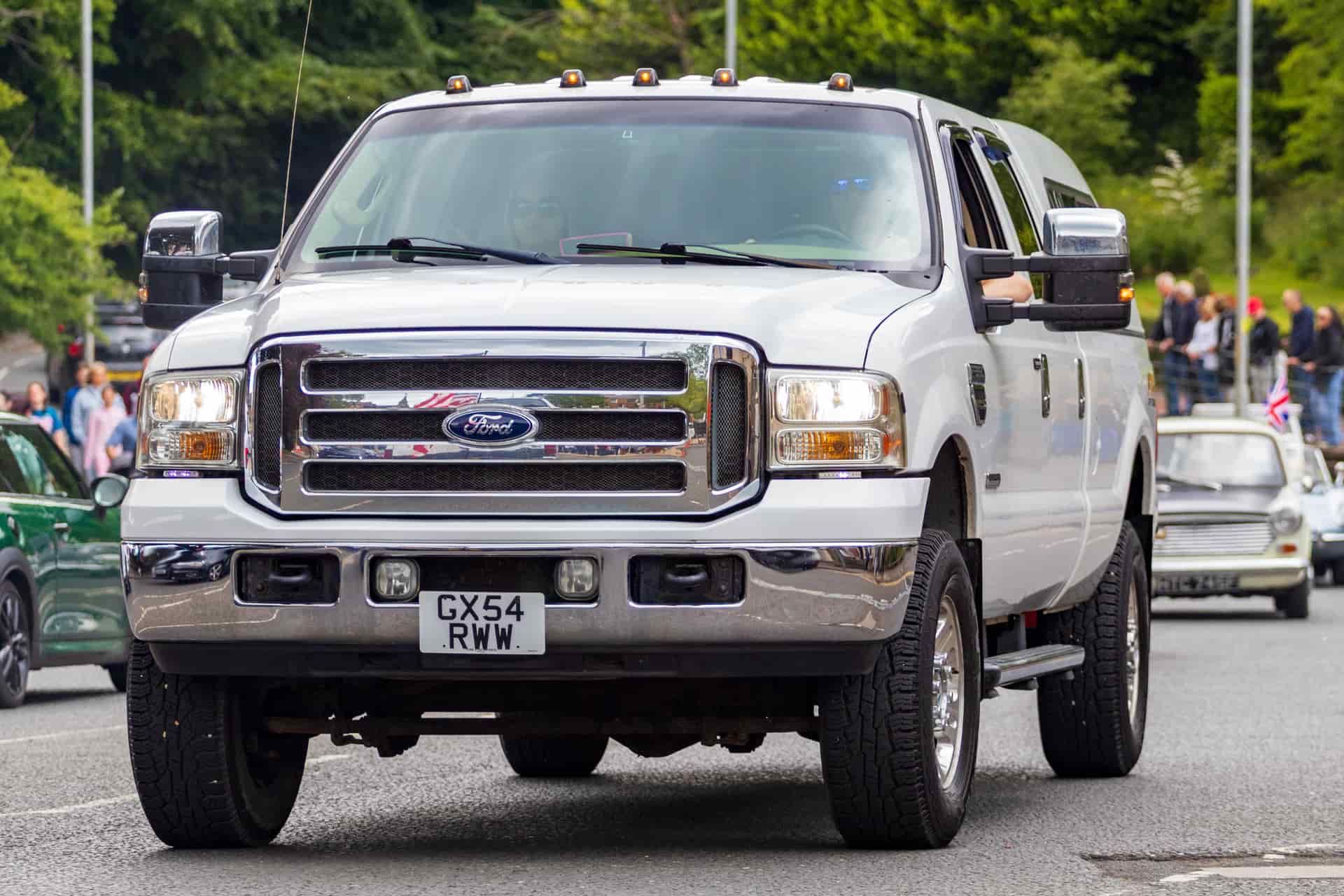
Cover vs cap
Cover against cap on capacity, security, weather, aerodynamics and reversibility - including when the cover is the wrong product.
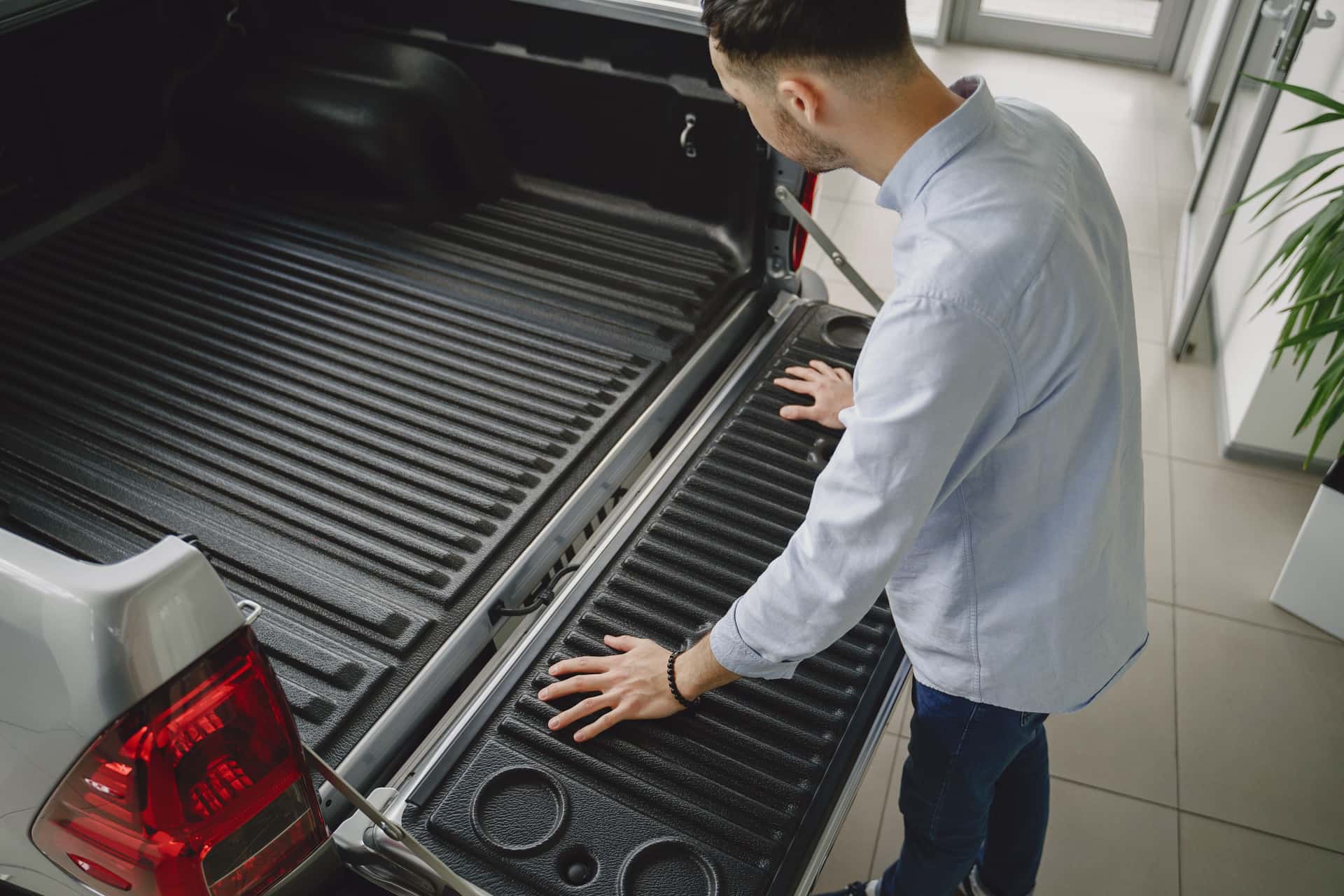
Electric vs manual
Powered against manual retractables, where the same maker publishes the same rating with a shorter warranty on the motorized one.
MX4 vs G2
The clearest upgrade decision in the category: 100 lb of rating and two years of warranty, for a price difference.
MX4 vs Sentry CT
Folding against rolling at the same 400 lb and five-year warranty - decided by removability versus multi-point latching.

PRO XR vs ONE XR
Two RETRAX models with the same rails and very different numbers - 500 lb against 200 lb, lifetime against one year.
T1 vs T3
Two budget Tyger covers separated only by shape, with the warranty inconsistency named and the crossbar detail that favors the T3.
TruXport vs Lo Pro
Two TruXedo roll-ups where the cheaper one has the better bed access and the dearer one has the better warranty.

ETX vs FX3
Gator's soft roll-up against its hard folding cover, with the unusual warranty structures on both laid out.
LOMAX vs MX4
The flattest profile in the registry against the best-documented folding cover, with the published gaps on both named.
UltraFlex vs MX4
Two near-identical 400 lb folding covers, separated by one published capability about driving with the cover open.
Peragon vs RETRAX
A direct-sale retractable with a 60-day return against the best-documented one in the category, with both sets of gaps named.
The type. Within a type, covers are more alike than the marketing implies — the real structural trade-offs are between a roll-up and a folding cover and a retractable, not between two brands of folding cover. Settle hard versus soft, and whether you need the bed to empty completely, and the shortlist narrows to a handful.
It usually buys two specific things: a higher published load rating and a longer warranty. The BAKFlip MX4 against the G2 is the cleanest example — 400 lb and five years against 300 lb and three, on the same clamp-on fit. If nothing ever goes on top of your cover, the cheaper one in a pair is often the right purchase.