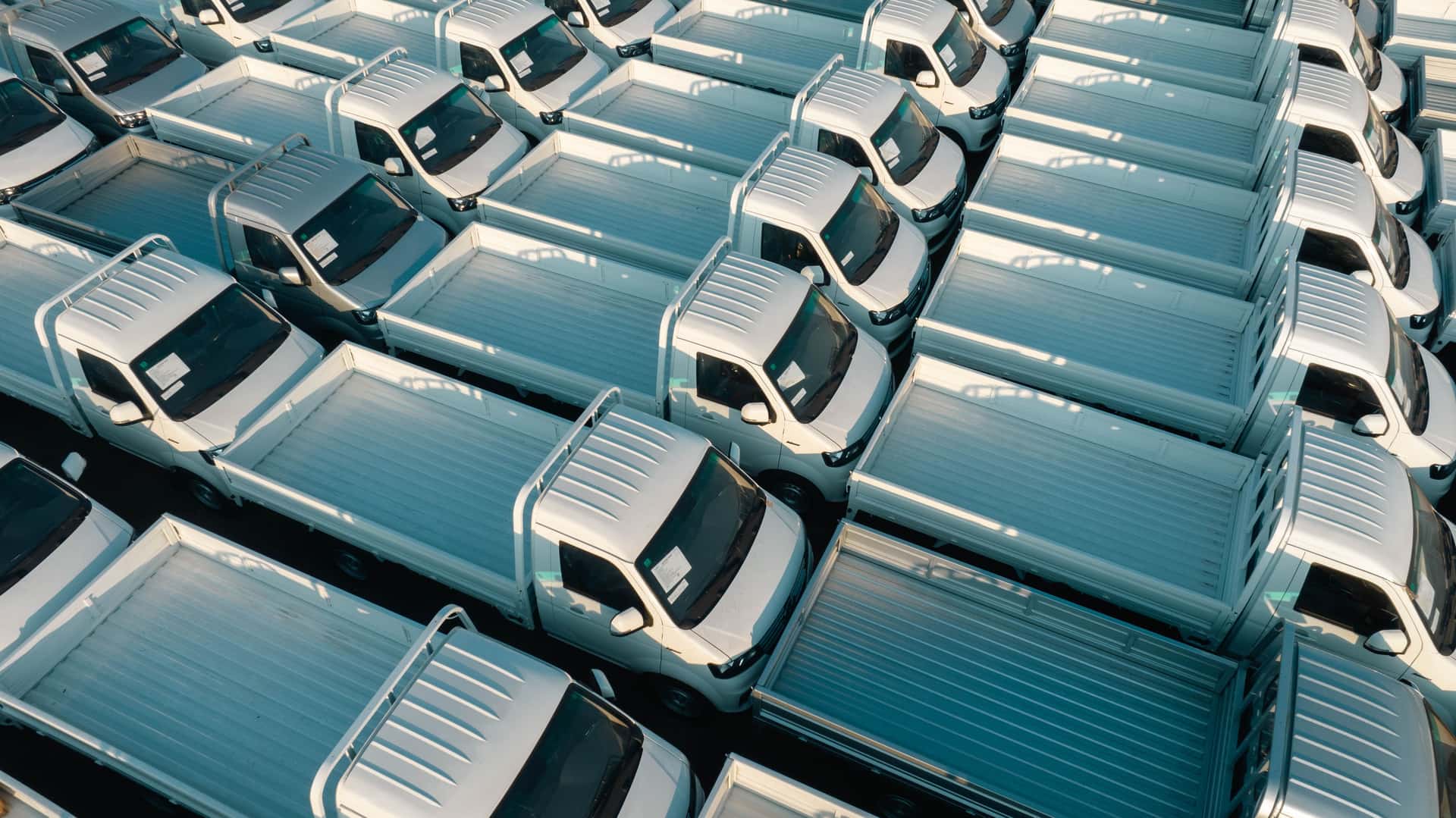
Best overall
The Best Tonneau Covers, Ranked
Seven covers across every type, scored on the published rubric, with the load rating and warranty gaps named rather than glossed.
Top pick: BAKFlip MX4

Every type gives up something. Here is exactly what each one takes from you, so you can pick the trade you can live with.
Cover & Cargo earns a commission from qualifying purchases made through links on this page, at no extra cost to you. It does not change what we recommend or the order we rank things in — here is how we choose and here is the full disclosure.
There are six kinds of tonneau cover on sale, and the choice between them is not really about quality. All six are made well by somebody. The choice is about which compromise you are willing to live with, because every type buys one thing by giving up another.
Soft roll-ups give you the whole bed and almost no security. Hard folding covers give you security and a load rating but permanently spend part of the bed when they are open. Retractables give you one-handed operation and the best lock on the market, and take a canister's worth of bed length away forever. There is no type that wins on every axis, and any page that tells you otherwise is selling one.
| Type | Security | Bed access when open | Typical install |
|---|---|---|---|
| Soft roll-up | Lowest — vinyl, tailgate-dependent | 100 percent, rolled to the bulkhead | 30 minutes, no drilling |
| Soft tri-fold | Low — vinyl over folding bows | Two-thirds | 30-60 minutes, no drilling |
| Hard tri-fold | Medium — aluminum panels | Two-thirds, or full if removed | Under an hour, no drilling |
| Hard folding | High — latched aluminum or TPO | Two-thirds to 100 percent, folded at the cab | 30-60 minutes, no drilling |
| Hard roll-up | High — interlocking slats, multiple latches | Rolled bundle stays at the bulkhead | Under an hour, no drilling |
| Retractable | Highest — locks at any position | Full length minus the canister, permanently | Under an hour; powered models add wiring |
Install times are the manufacturers' published figures for a clamp-on fit on a stock bed, not measured by us. Where a maker publishes no figure, the cell says so.
If the answer is tools, a generator, or anything that would ruin your week if it walked off, you want a hard cover that locks independently of the tailgate. The locking covers page goes through which ones do that and which ones are quietly relying on your tailgate lock. If the answer is a cooler and some firewood, a soft roll-up is a perfectly rational purchase and will save you several hundred dollars.
This is the question people get wrong. A hard folding cover advertises 100 percent bed access — and that is true in the sense that you can reach every inch of the bed. It is not true in the sense that the bed is clear: folded against the cab, the cover occupies roughly the front third of it. If you carry sheet goods or anything full-length on a regular basis, that matters more than any spec on the box. Soft roll-ups are the only type that genuinely vacates the bed, and even they leave a rolled bundle at the bulkhead.
Published load ratings in our registry range from 200 lb (RetraxONE XR) to 600 lb (Extang Solid Fold ALX and Extang Encore), with most hard covers at 400 lb. Soft covers do not publish one at all, because the answer is zero. If you plan to set anything on the cover — a toolbox, a dog crate, yourself while reaching the roof rack — the rating is not a marketing number, it is the spec you buy on. See tonneau cover weight capacity for what "evenly distributed" actually excludes.
The thing every type does badly
No tonneau cover is waterproof. Every one of them is water-resistant, and the two places they let water in are the same on all six types: the bulkhead seal at the front of the bed, and the tailgate seal at the back. The good covers manage the water with drain tubes rather than pretending to block it. Here is where the water actually goes.
Moving up the range buys three specific things, and it is worth knowing which one you are paying for. First, materials: 24 oz vinyl becomes aluminum becomes inch-thick TPO panels. Second, sealing: stick-on foam strips become adhesive-free snap-on triple-fin seals with drain tubes. Third, and most reliably, warranty length: the covers in this registry run from a 2-year limited (Gator FX3) to limited lifetime (RetraxPRO MX, TruXedo Lo Pro, Extang Trifecta 2.0 on specified components).
What more money does not buy is fuel economy. The published tests disagree with each other, and the disagreement is the honest answer — we put all of them side by side on the gas mileage page rather than quoting the one that flatters the category.
Best overall
Seven covers across every type, scored on the published rubric, with the load rating and warranty gaps named rather than glossed.
Top pick: BAKFlip MX4

Best roll-up
Six roll-ups from a 30-minute vinyl TruXport to a 400 lb slat-and-canvas Sentry CT, with the bundle-at-the-bulkhead problem named.
Top pick: TruXedo TruXport

Best tri-fold
Five tri-folds from a 24 oz vinyl budget cover to a 600 lb TPO deck, with the warranty and rating gaps between them named.
Top pick: Extang Trifecta 2.0
Best hard folding
Eight hard folding covers with every published load rating and warranty exclusion laid out — including which ones do not transfer with the truck.
Top pick: BAKFlip MX4
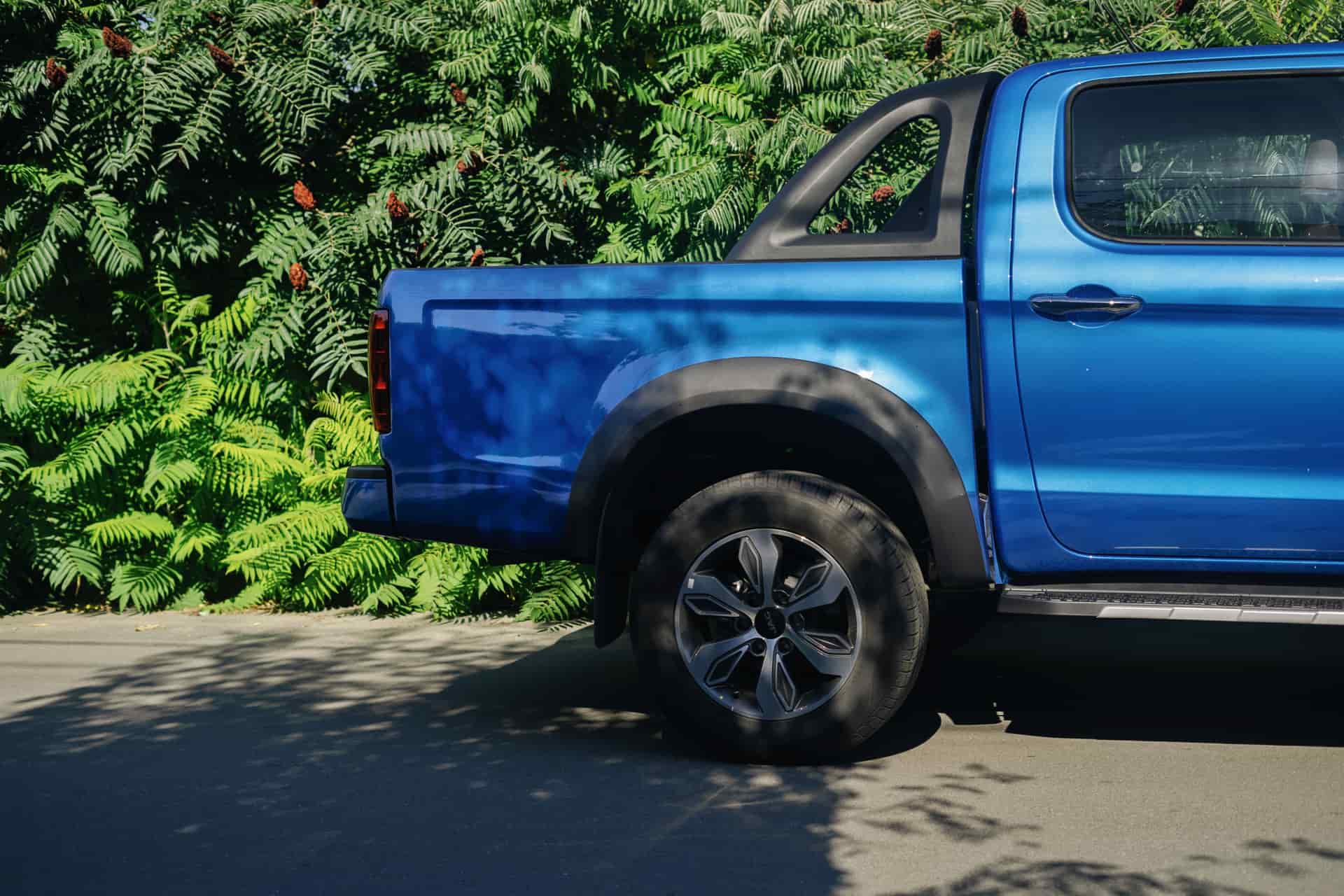
Best retractable
Five retractables with the published ratings, the warranty splits, and the canister cost no manufacturer in this category will state.
Top pick: RetraxPRO MX
Best hard cover
Six rigid covers ranked on lock design and published load rating, with the difference between real security and the appearance of it spelled out.
Top pick: RetraxPRO MX
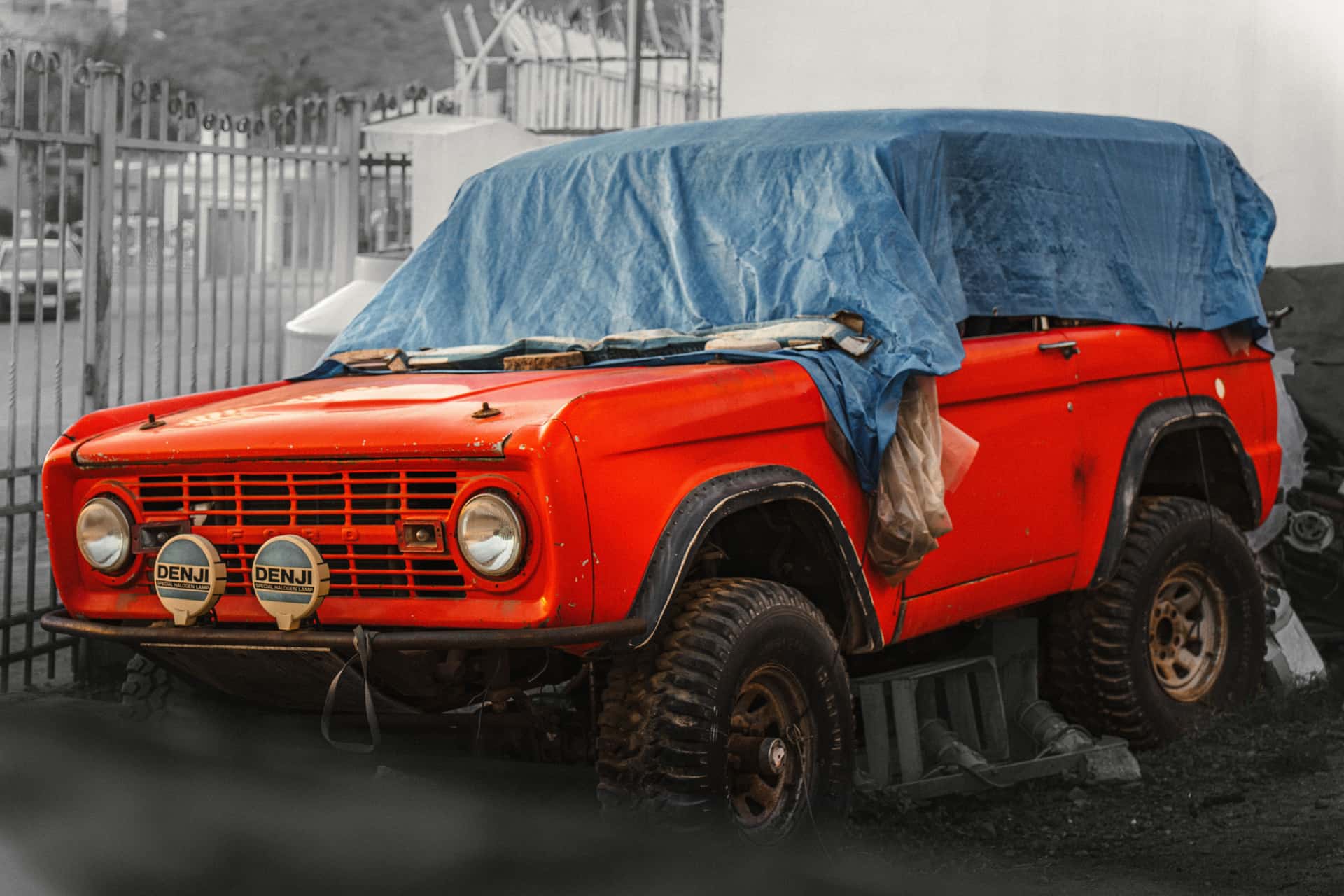
Best soft cover
Six vinyl covers with the warranty splits and seal designs laid out, and a straight answer on what a soft cover will and will not do.
Top pick: TruXedo TruXport
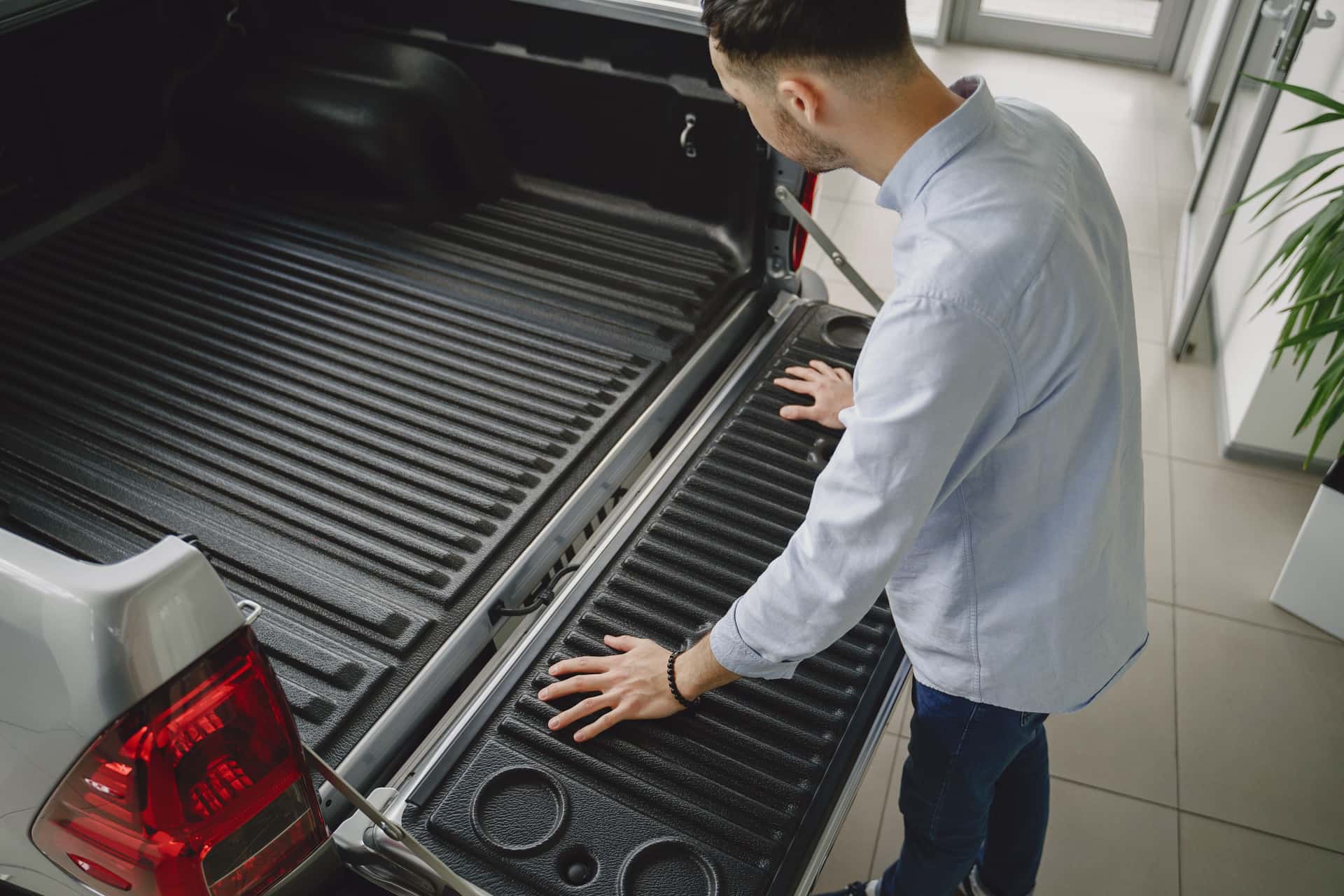
Best electric
Two powered retractables and the manual cover that beats both on warranty - with a straight answer on whether the motor is worth it.
Top pick: RETRAX PowertraxPRO XR

Best for security
Covers that lock independently of the tailgate, ranked - plus the BOLT cylinder that codes itself to your ignition key.
Top pick: RetraxPRO MX
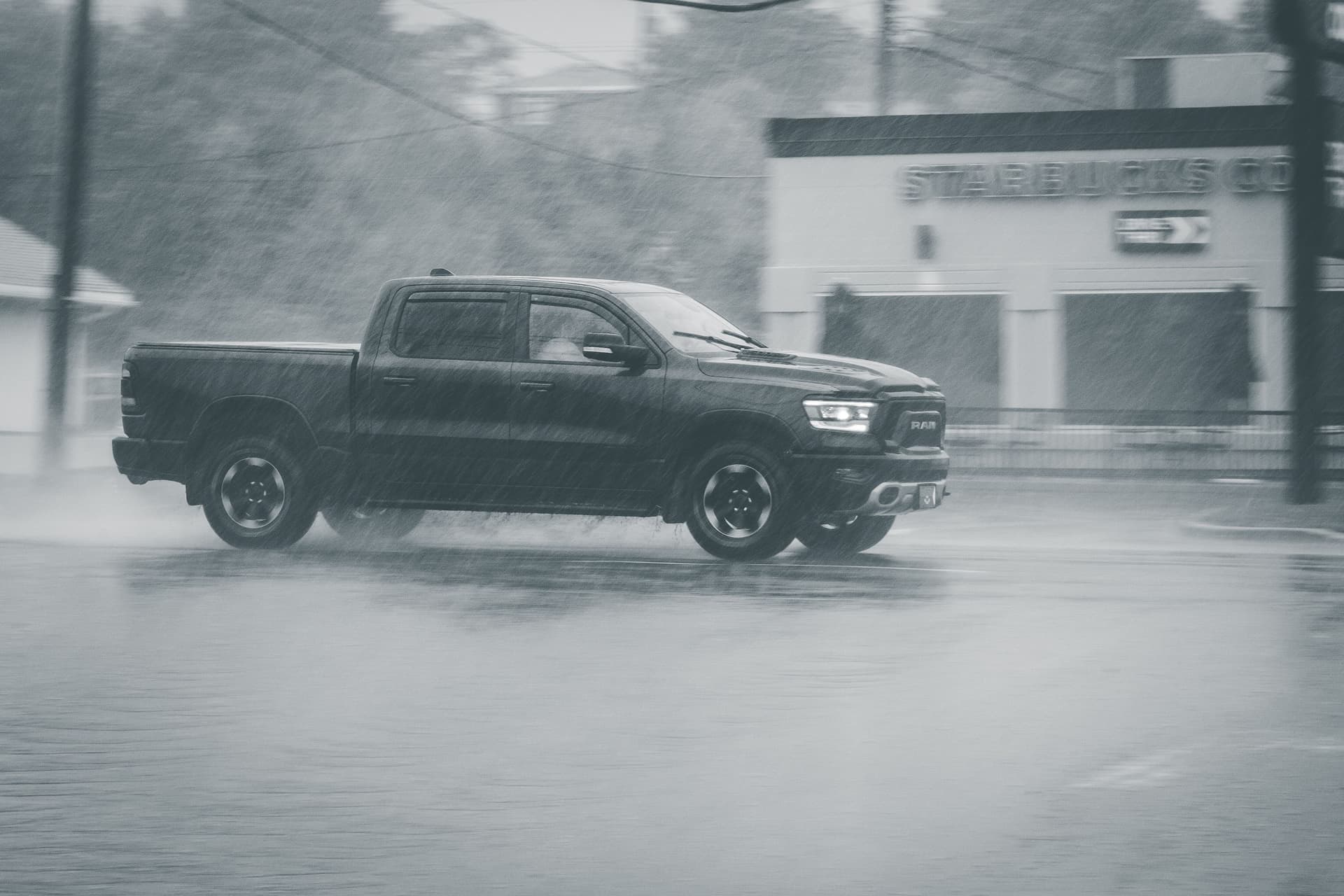
Best sealing
Five covers ranked on published seal design and drainage, with the two leak points every cover shares named up front.
Top pick: BAKFlip MX4
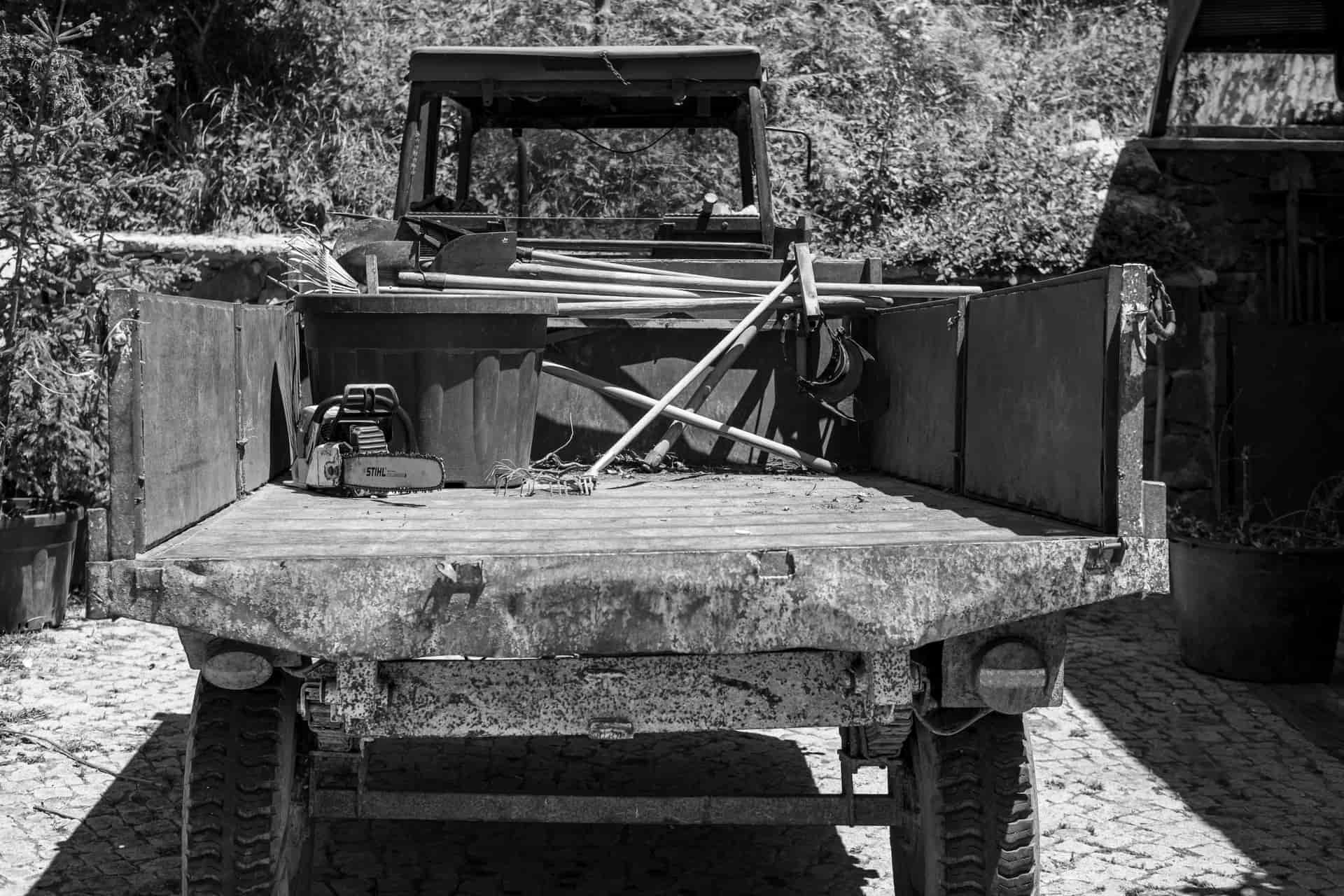
Best with a toolbox
Four covers for a bed with a crossover box, led by the only folding cover that opens from the front as well as the rear.
Top pick: Extang Encore
Best budget
Five covers at the cheap end that publish real specifications, with the corners each one cuts named explicitly.
Top pick: Tyger Auto T3 Soft Tri-Fold
Start here
Six cover types defined, then the specific compromise each one makes — the page to read before you compare a single brand.
A retractable. The RetraxPRO MX and PowertraxPRO XR lock at any position along the bed and operate independently of the tailgate, so an unlocked tailgate does not open the bed. Hard roll-ups like the TruXedo Sentry CT come next, with up to six latches that engage automatically. Soft covers of any shape offer no meaningful theft resistance.
A soft roll-up. It rolls completely forward to the bulkhead and leaves the bed otherwise clear. Hard folding covers advertise 100 percent bed access, which means every inch is reachable, not that the bed is empty — folded at the cab they occupy roughly the front third. Retractables never give the space back at all, because the canister is permanent.
Almost certainly not. Every cover in this registry is published as a no-drill clamp-on fit on most applications, including all the hard folding and retractable models. Drilling is the exception on modern trucks, not the rule, and a cover that requires it should say so before you buy.