
Worth it?
Are Tonneau Covers Worth It?
The worth-it question answered with what covers do, what they do not, and the three cases where the answer is genuinely no.

The questions people actually ask before and after they buy, answered with the published evidence attached.
Cover & Cargo earns a commission from qualifying purchases made through links on this page, at no extra cost to you. It does not change what we recommend or the order we rank things in — here is how we choose and here is the full disclosure.
Most tonneau cover questions have a real answer that nobody wants to write, because the real answer is often "it depends, and here is the published test that disagrees with the other published test". This section is where that gets written down.
Three things decide whether you buy the right cover, and all three are settled before you look at a single product. First, measure the bed — not the badge. Second, decide what you need the cover to resist: weather, eyes, or hands. Third, be honest about how often you need the bed completely clear, because that single answer rules out entire cover types.
Two claims get repeated constantly about tonneau covers, and both deserve the evidence laid out rather than a verdict handed down.
Fuel economy. The published tests do not agree. A SEMA wind-tunnel study of 13 cover types reported about a 5 percent drag reduction for just under an estimated 2 percent fuel improvement, with fiberglass and roll-up vinyl covers best at over 6.5 percent drag improvement. A 2022 road test by The Fast Lane Truck over 57 miles in a Ram 1500 Classic measured 19.533 mpg without a cover against 21.142 with one — a 1.61 mpg gain, 7.7 percent. A Consumer Reports road test on a Dodge Ram V8 at 65 mph measured 22.3 mpg baseline against 21.4 mpg with a soft cover — a 4 percent loss. Those three results cannot all be generally true, and the gas mileage page puts all of them in one table rather than picking the flattering one.
Waterproofing. No tonneau cover is waterproof. They are water-resistant, and water gets in at the bulkhead seal and the tailgate seal on every type. Good covers manage it with drain tubes rather than claiming to stop it. Do tonneau covers leak explains where the water goes, and how to fix a leaking cover covers the two repairs that solve most of it for nothing.
A cover is a weather-exposed mechanism with seals, latches and in some cases a motor. The ownership guides cover the parts that wear, the maintenance that keeps vinyl from chalking, and the troubleshooting for when a latch stops engaging or a seal starts weeping.
Two guides here have nothing to sell you
Fixing a leaking cover and tonneau covers and insurance carry no product picks, deliberately. The honest answer to a leak is usually a re-seated seal or a cleared drain tube, which costs nothing, and insurance is a question about your policy rather than about a product. Bolting a recommendation onto either would be worse than leaving them bare.
Worth it?
The worth-it question answered with what covers do, what they do not, and the three cases where the answer is genuinely no.
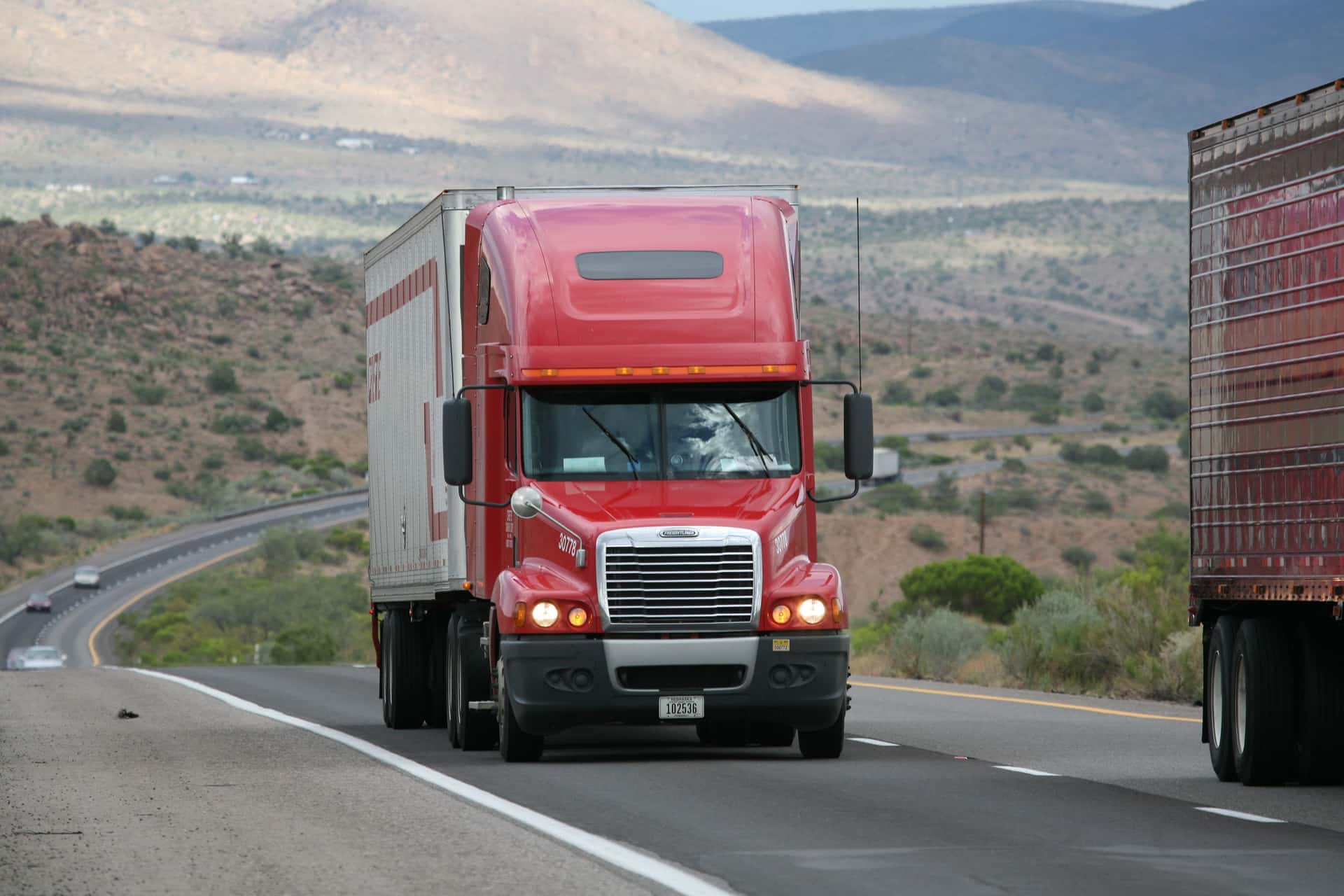
Gas mileage
Every published tonneau cover fuel-economy test in one table, including the Consumer Reports result that measured a loss.

Do they leak?
Why every tonneau cover leaks a little, the two places it happens, and the seal designs that handle it properly.
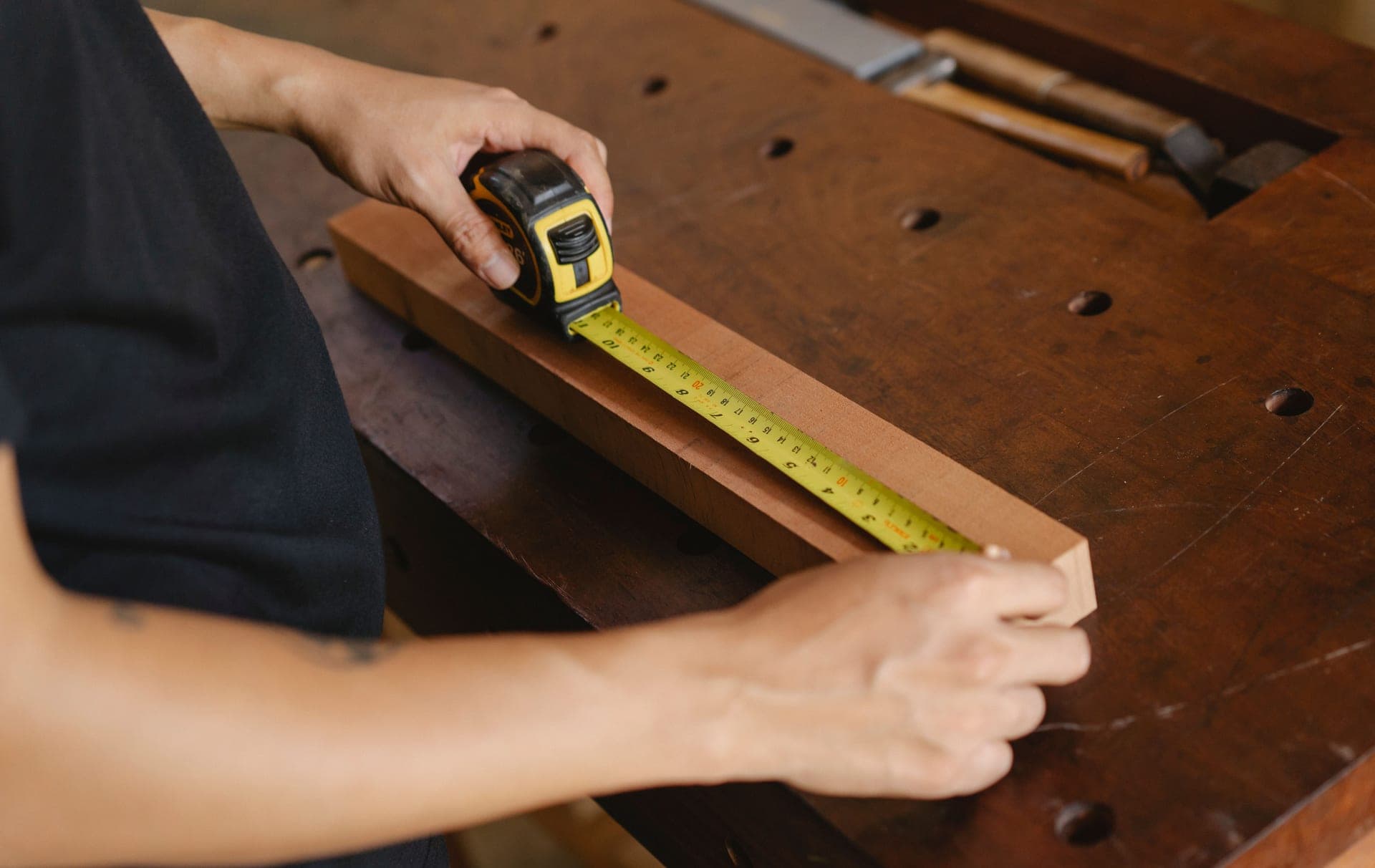
Measuring
The four-minute measurement that prevents the most common return in this category, with the three mistakes people make.
Universal fit?
Why there is no universal tonneau cover, the three variables that set the part number, and the fourth that catches people out.
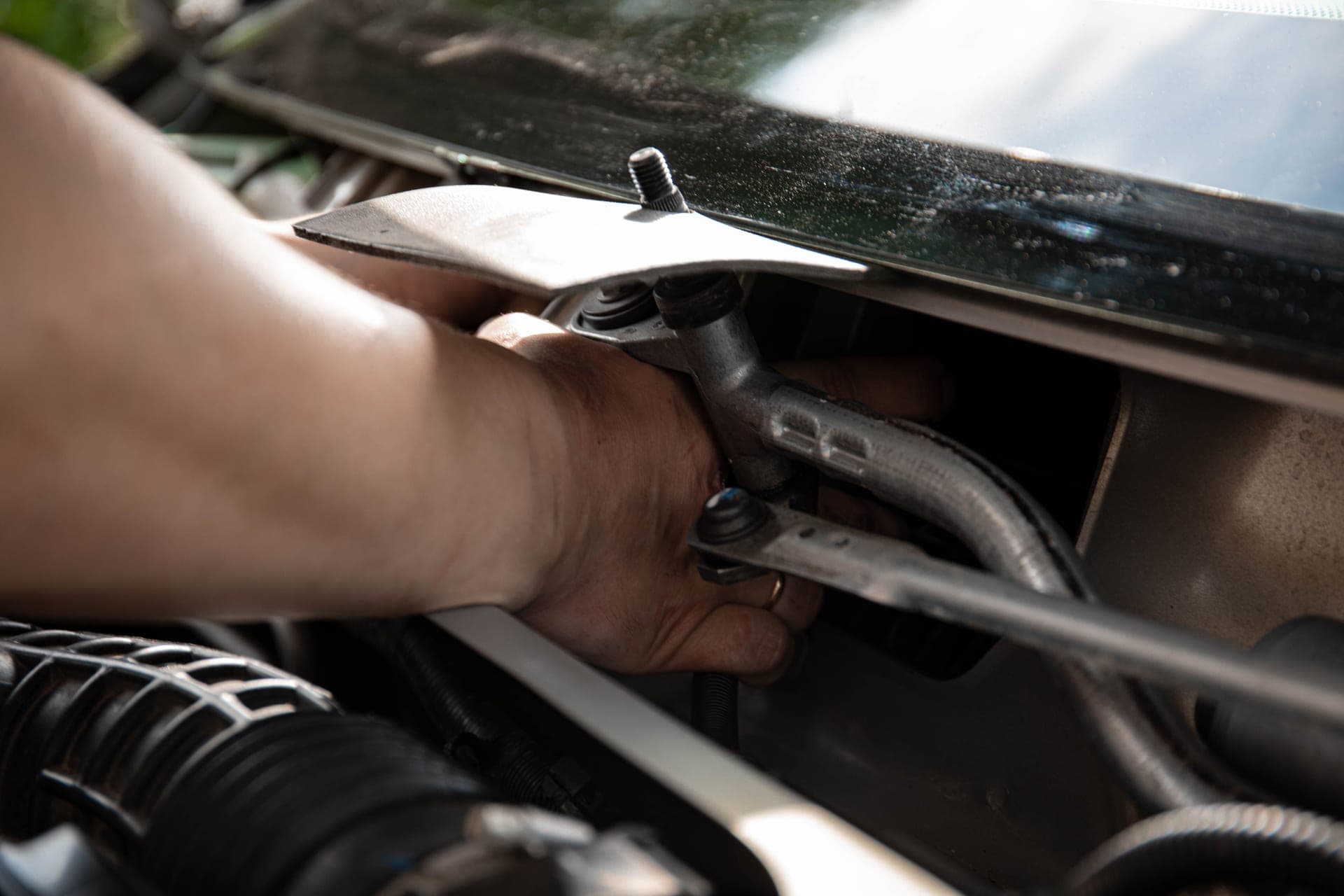
Installing
The clamp-on install sequence that works, the rail-squaring step most people rush, and which covers are genuinely easiest.

Install cost
What a shop's fitting charge buys, why most covers need no shop at all, and the one step worth paying someone for.

Security
What covers actually do against theft, the one spec that predicts it, and the layered setup for genuinely valuable tools.

Fixing a leak
The two free fixes that resolve most tonneau cover leaks, in diagnostic order - and no product recommendations, deliberately.

Insurance
What to ask your insurer about a tonneau cover and what to document - a policy question with no product answer, so no picks.
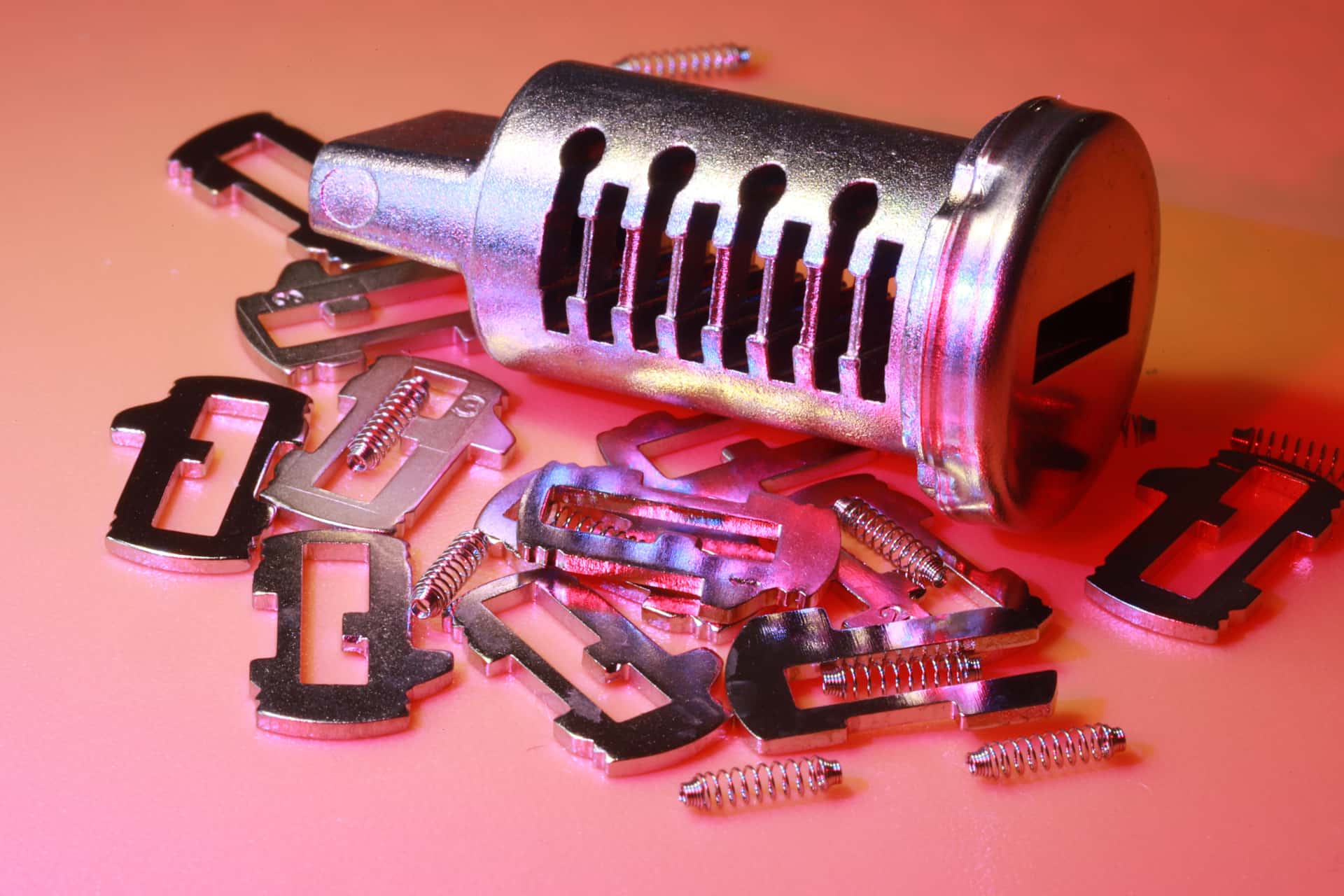
Lock replacement
Replacing a tonneau cover lock, what a one-key cylinder buys, and the permanent coding that makes it a one-truck decision.
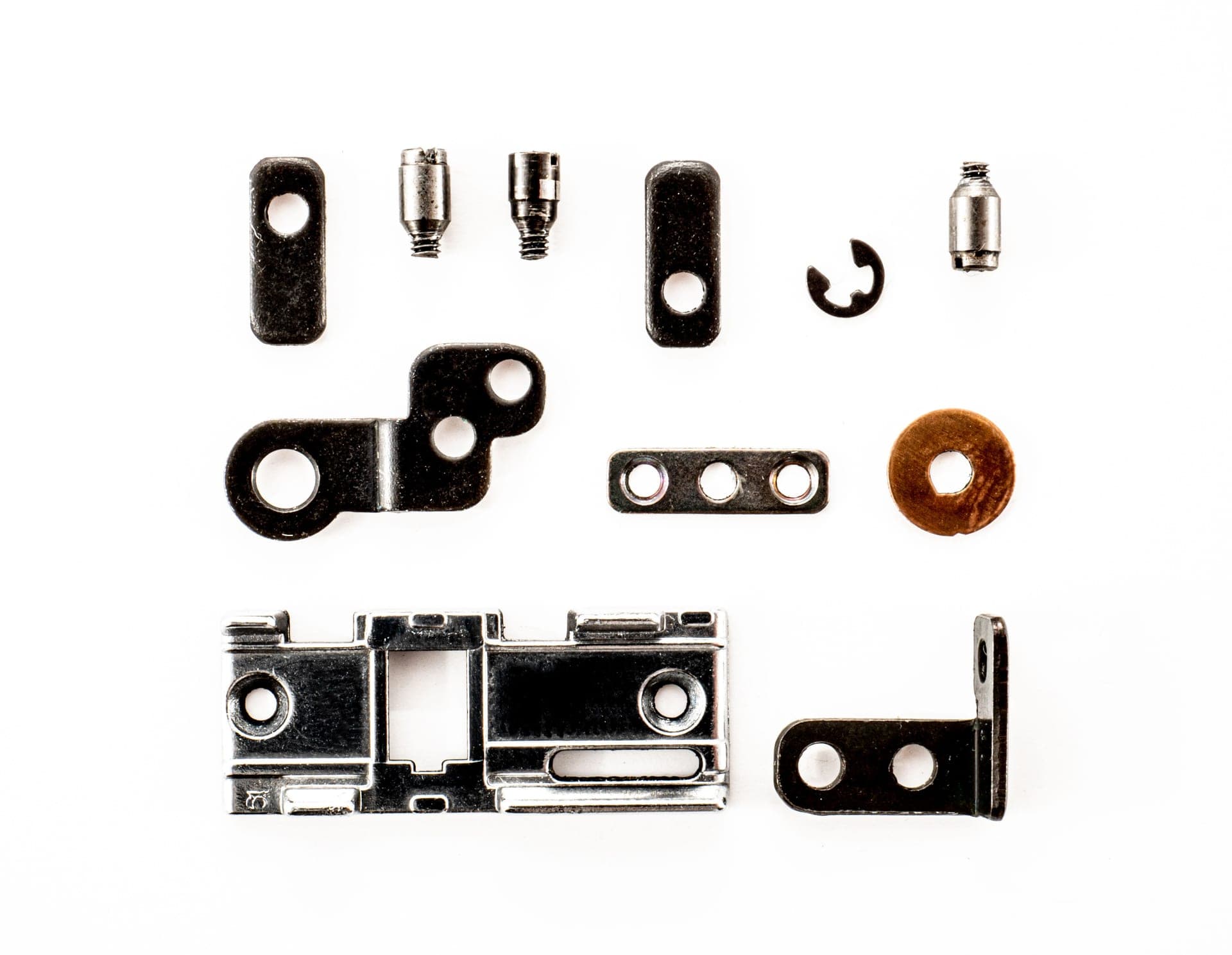
Replacement parts
Which tonneau cover parts are sold separately, which are not, and how to find your part number before ordering anything.

Cleaning and care
The cleaning routine manufacturers actually specify, why vinyl needs a protectant, and the channel-clearing that prevents seal failures.

Weight capacity
Every published load rating in the registry, what 'evenly distributed' excludes, and why an unrated cover carries nothing.
Snow and ice
What snow accumulation does to a cover's rating, how to clear it without damaging a seal, and which covers publish cold-weather testing.

Racks and crossbars
Which covers take a rack, what T-slot rails accept, and why a cover's load rating is not the right number for carrying on top.

Troubleshooting
The five causes behind almost every tonneau cover problem, in diagnostic order, with the three that cost nothing to fix.
The published tests disagree. A SEMA wind-tunnel study of 13 cover types found roughly 5 percent less drag for just under an estimated 2 percent fuel improvement. The Fast Lane Truck measured a 7.7 percent gain over 57 miles in a Ram 1500 Classic. Consumer Reports measured a 4 percent loss on a Dodge Ram V8 at 65 mph. Treat any single-number claim with suspicion — the effect is small, real in some conditions, and not universal.
No. Every tonneau cover is water-resistant rather than waterproof, and water enters at the same two places on all types: the bulkhead seal at the front of the bed and the tailgate seal at the back. Better covers manage water with drain tubes rather than claiming to block it entirely.
Almost certainly. Every cover in this registry publishes a no-drill, clamp-on fit on most applications, with stated install times from 30 minutes to under an hour. Powered retractables add a wiring step, which is the one case where paying a shop is a reasonable call.