Guides
Tonneau Cover Seal Replacement
Seals are the first thing to fail and the cheapest thing to fix. The job is twenty minutes. Identifying which seal you have is the part people get wrong.
By Michael W. · Published October 6, 2026

Cover & Cargo earns a commission from qualifying purchases made through links on this page, at no extra cost to you. It does not change what we recommend or the order we rank things in — here is how we choose and here is the full disclosure.
What this is based on: published manufacturer specifications and warranty terms, cited on each cover; independent published tests where they exist, named and linked; and verifiable owner reports of specific failure modes. We have not fitted these covers to a truck, we do not run a test lab, and we do not claim a test we did not run. Where the evidence for a cover is thin, the page says it is thin.
Quick picks
| # | Cover | Best for | Score | Price |
|---|---|---|---|---|
| 1 | 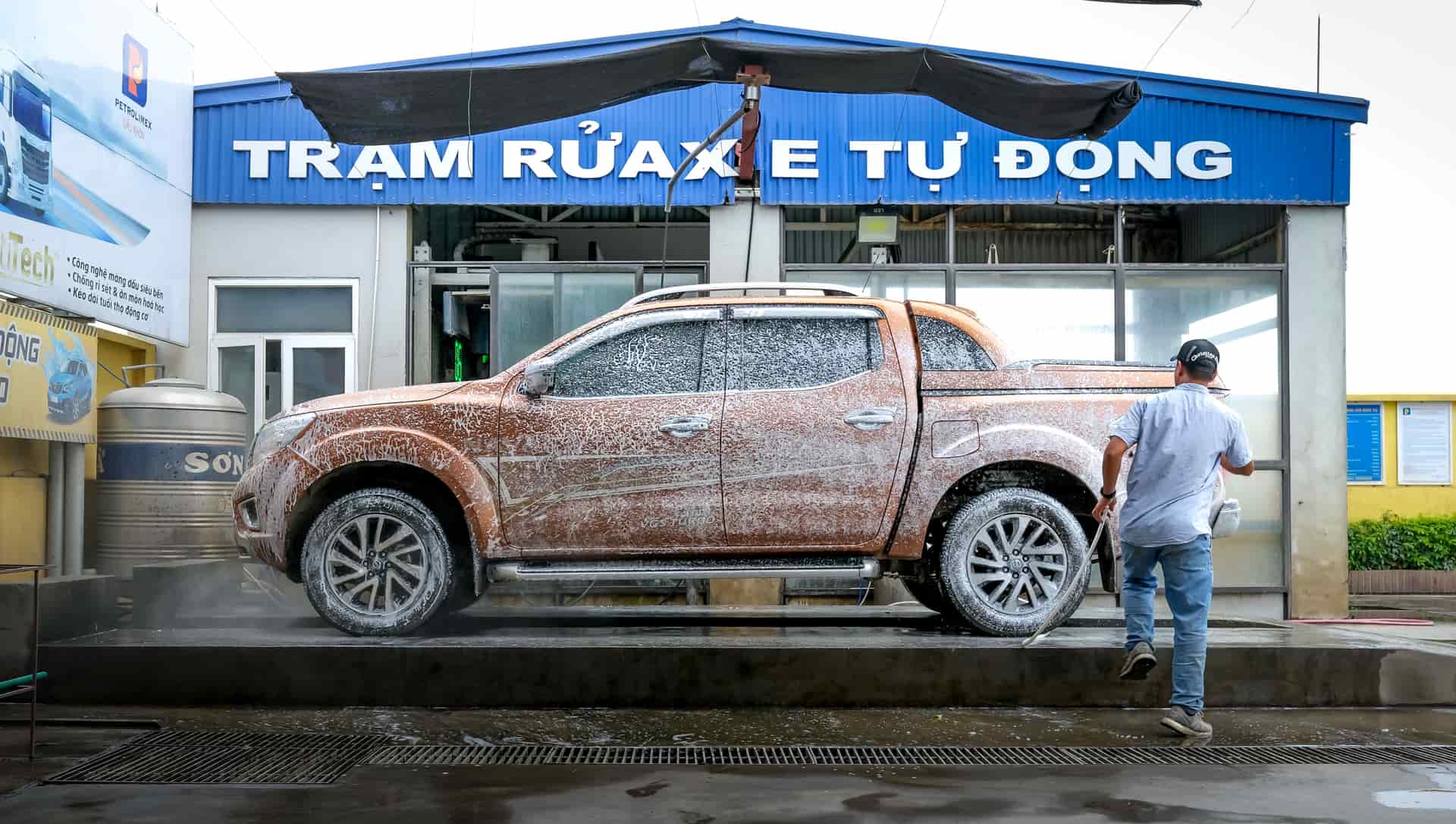 303 Aerospace ProtectantThe UV protectant the vinyl-cover makers keep pointing at. Published SPF 40, specifically listed for tonneau covers, and the cheapest thing you can do to stop a soft cover chalking. | Makes the new seal last | 8.5out of 10 | |
| 2 | 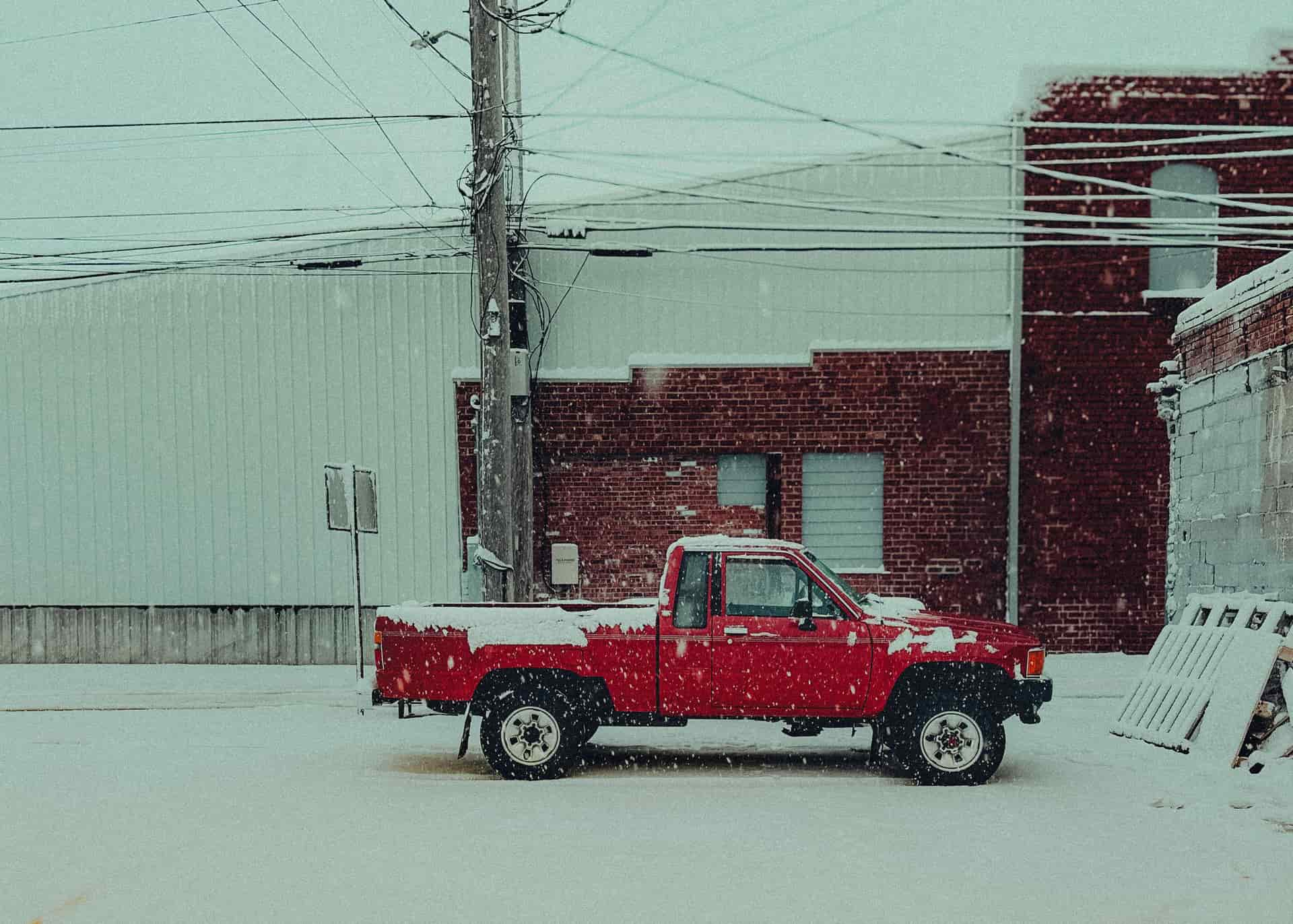 Extang Trifecta 2.0The soft tri-fold with the longest warranty: limited lifetime on rails, aluminum, clamps, bows, hardware and the vinyl itself, with adhesive-free snap-on seals instead of the stick-on strips cheap covers use. | Snap-on seals, no adhesive | 7.4out of 10 | |
| 3 | 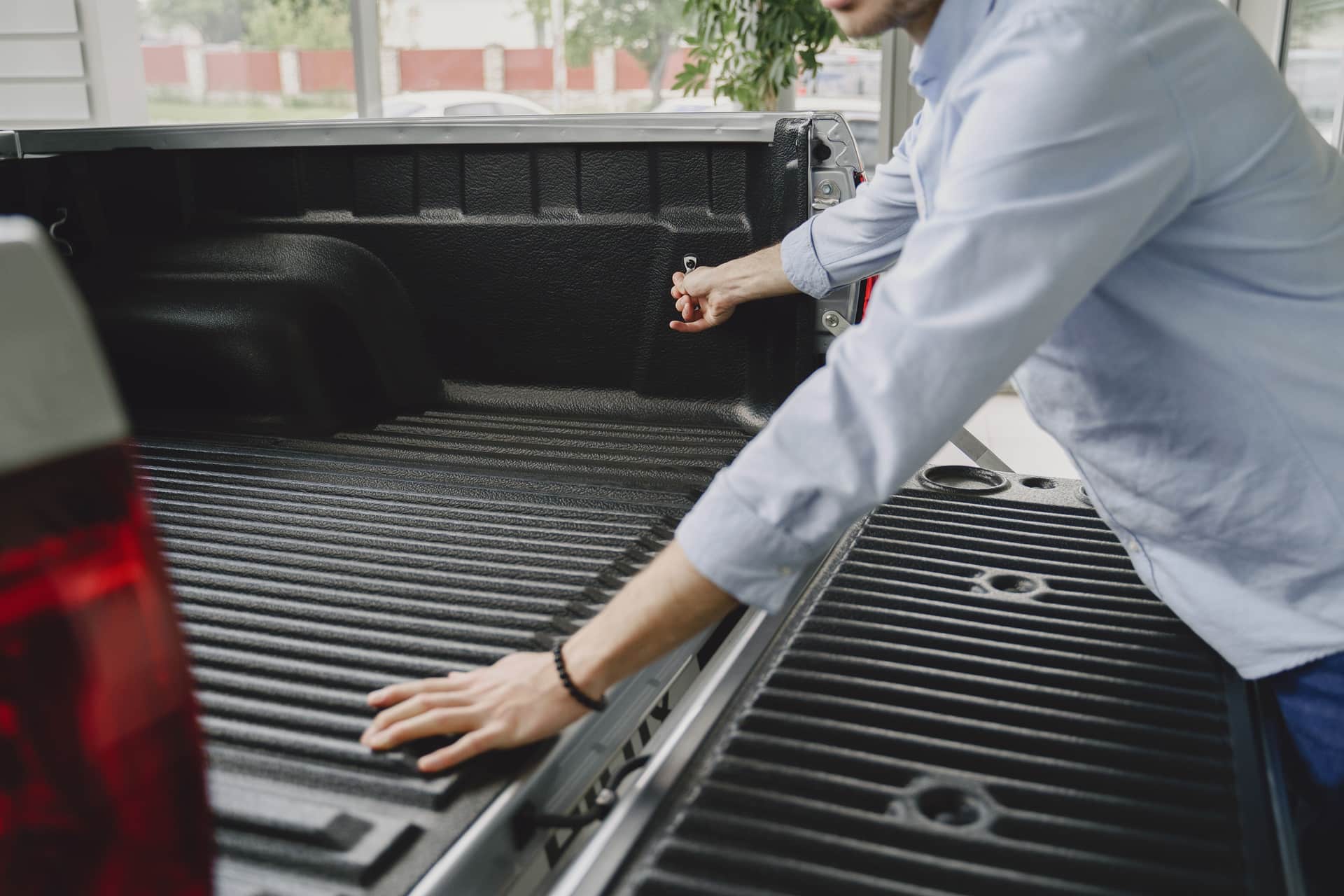 UnderCover ArmorFlexAluminum panels with UnderCover's Multi-Shield coating and a dual-action tailgate seal that lets the tailgate drop without unlatching the cover — a small thing you use every single day. | Best factory seal design | 8.3out of 10 | |
| 4 | 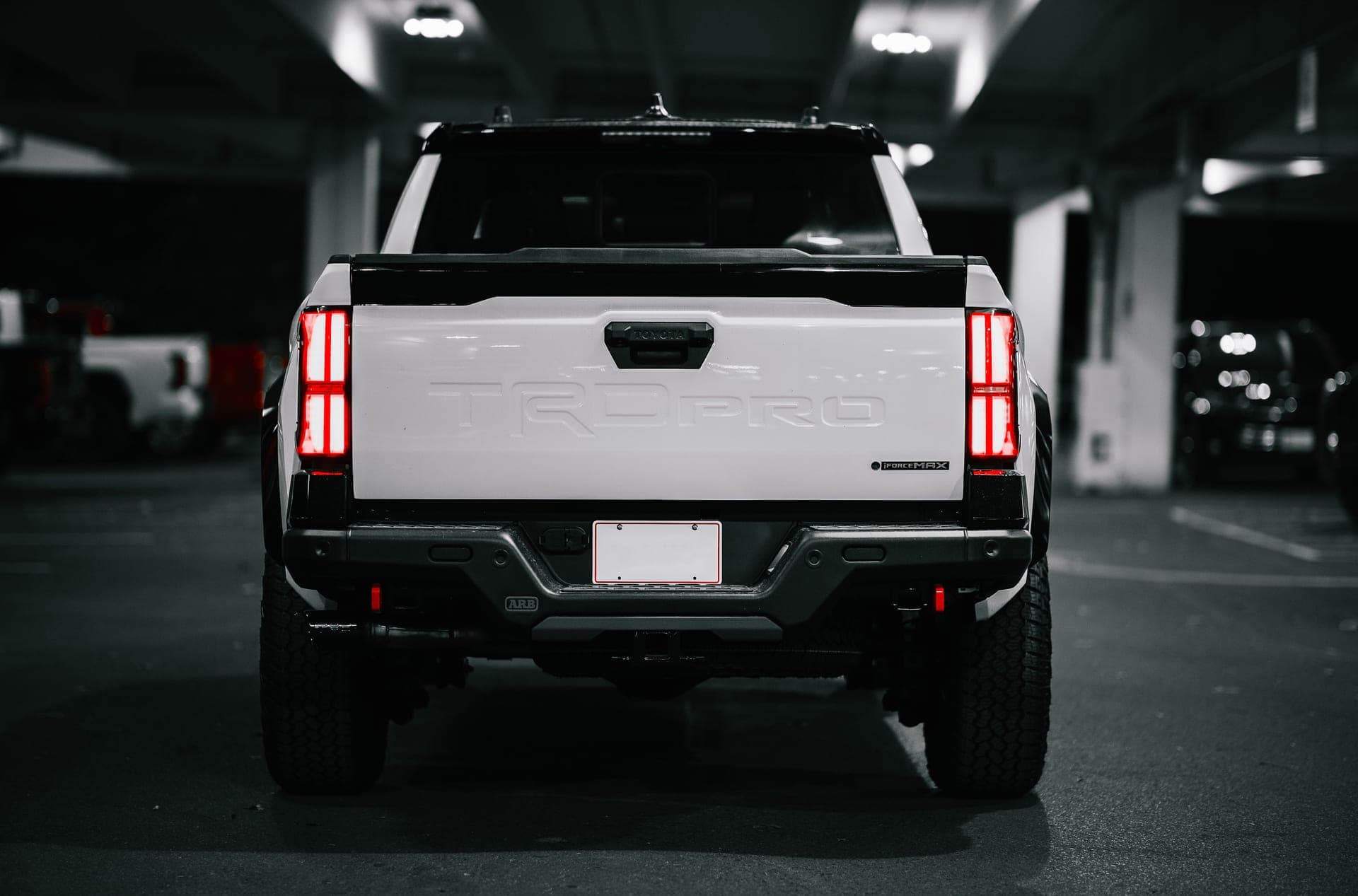 BAKFlip MX4The default hard folding cover, and the one most buyers should start from: 400 lb rating, a 5-year warranty, 100 percent bed access, and a seal design the maker revised specifically to stop bulkhead seepage. | EPDM seals and drainage | 8.4out of 10 |
Scores are our own editorial judgment on the rubric published at our editorial policy page, weighing security, weather sealing, bed access, install effort, durability, value. They are read off published specifications, warranty terms and sourced owner reports. They are not measurements we took, and they are not user ratings.
The short answer
Identify the seal type before you order anything. There are three on tonneau covers — perimeter, hinge or slat, and tailgate — and they are not interchangeable.
Snap-on beats adhesive. Extang publishes adhesive-free triple-fin snap-on seals on the Trifecta 2.0, which is the easiest kind to replace. Adhesive seals need the old adhesive fully off.
Most “leaking seal” problems are not the seal. Check squareness and the drain tubes first — the leak guide works through it by symptom.
Before you replace anything, rule out the other two causes
Seals get blamed for problems they did not cause, and a new seal fitted over an actual fault still leaks. Two checks first, both free.
Squareness. If the cover was installed with the rails even slightly out of square, the seal is being compressed unevenly along its length and water walks in at the under-compressed end. The tell is a perimeter gap that tapers when you look along the closed cover. The fix is re-squaring the rails, not a new seal.
Drainage. Most hard covers in our registry publish integrated drainage — BAK publishes EPDM perimeter seals with integrated drainage on the MX4, UnderCover publishes EPDM seals with integrated drain tubes and a dual-action tailgate seal on the ArmorFlex, RETRAX publishes integrated water management with drain tubes on the PRO MX. Those tubes block with grit and pine needles, water backs up, and the symptom looks exactly like a failed seal. Clear them before you spend money.
The three seal types, and how to tell which you have
| Seal | Where it sits | How it attaches | Difficulty |
|---|---|---|---|
| Perimeter seal | Around the cover edge or along the rail top | Snap-on fins, or a channel, or adhesive-backed bulb | Easy if snap-on, fiddly if adhesive |
| Hinge or slat seal | Between folding panels, or between retractable slats | Slides into a channel in the panel or slat edge | Moderate — the cover usually has to come off |
| Tailgate seal | Across the rear of the bed where the cover meets the tailgate | Clips to the rear rail or bonds to the tailgate top | Easy, and the one that fails first |
Seal designs and part availability differ by manufacturer and by cover generation. The part number on your cover's rail or panel label is what determines the correct part - this table is the shape of the job, not a parts catalogue.
The tailgate seal is where most seal complaints actually live, because it is the seal that gets stood on, dragged over, and worked every time the tailgate drops. Start there.
Ordering the right part
- Find the cover's part number. It is usually on a label on the underside of a rail, inside a folding panel, or on the canister of a retractable. No maker can sell you the right seal without it.
- Photograph the failed seal in place, including its cross-section at a cut end if there is one. Seal profiles look identical in a catalogue and are not.
- Measure the length you need and add a few inches. Seal is sold by length on some covers and as a moulded part on others.
- Buy from the cover's manufacturer where you can. Universal bulb seal from a parts bin will physically fit a channel and will not compress the way the cover was designed around.
- Ask whether it is sold separately at all before assuming. What is and is not available separately covers this for the whole category.
Fitting the new seal
Snap-on and channel seals
- Pull the old seal out and keep it until the new one is in — it is your reference for orientation, and seal profiles are directional.
- Clean the channel completely. Grit left in a channel holds the new seal proud of its seat, which is a leak you just installed.
- Start at one end and work along, seating the seal fully as you go rather than pushing it in loosely and going back. Do not stretch it to reach the far end — a stretched seal shrinks back and leaves a gap at a corner.
- Trim to length last, with the seal seated, using a sharp blade and a square cut.
Adhesive-backed seals
- Remove every trace of the old adhesive. This is 80 percent of the job and the step that decides the result. A plastic scraper and an adhesive remover safe for the surface, then a final wipe with isopropyl alcohol.
- Work above about 60°F. Adhesive tape does not bond properly cold, and a seal that lets go in week two was fitted on a cold morning.
- Dry-fit the full length first, marking the ends, before you peel anything.
- Peel progressively as you press, a few inches at a time, pressing firmly along the whole length rather than tacking it and smoothing later.
- Leave it closed overnight before the first wash. Let the adhesive reach strength with the seal held in its working position.
The one product that makes a seal last
Rubber seals fail from UV and from drying out, not usually from abrasion. 303 Aerospace Protectant is published at SPF 40 UV protection — the highest claimed by any surface protectant — for vinyl, rubber and plastic, applied by spraying and wiping completely dry out of direct sun, with each application stated to last for months. Treating the new seal twice a year is the difference between replacing it once and replacing it repeatedly. The full cleaning and protection routine.
Testing the repair
Close the cover and look along the perimeter: the gap should be even all round. Then hose the closed cover for a minute and check the bed. Some water at the bulkhead and tailgate corners is normal on every cover in this category — these are water-resistant products, not waterproof ones, and where water actually gets in explains why. What should have gone away is the specific ingress you were chasing.
If it has not, you are back to squareness or drainage rather than sealing, and the next page is the troubleshooting guide. And if the cover is old enough that the seals, the latches and the finish are all going at once, the honest comparison is the cost of parts against a cover chosen on seal design in the first place.
The picks in detail
#1 · Keeping vinyl alive
303 Aerospace Protectant
303 Products · Accessory
The UV protectant the vinyl-cover makers keep pointing at. Published SPF 40, specifically listed for tonneau covers, and the cheapest thing you can do to stop a soft cover chalking.
What it does well
- Published SPF 40 rather than an unquantified 'UV protection' claim
- Explicitly listed for tonneau cover use by the manufacturer
- Months per application, so it is a two-or-three-times-a-year job, not a weekly one
Where it gives way
- Has to be wiped completely dry or it streaks
- Does nothing for a hard aluminum or TPO cover
- Will not reverse vinyl that has already chalked — it is prevention only
Skip it if: Aluminum or TPO hard panels, which have their own coatings and do not need it.
| Protection | SPF 40 UV protection — the highest claimed by any surface protectant |
|---|---|
| Surfaces | Vinyl, rubber, plastic, leather, fiberglass |
| Application | Spray and wipe completely dry, out of direct sun |
| Interval | Each application stated to last for months |
| Finish | No greasy residue; repels water and dirt |
Specifications read from 303 Products — Aerospace Protectant published product description, Sailrite listing.
#ad We show no price until we can verify one. How this is funded
#2 · A soft cover you keep
Extang Trifecta 2.0
Extang · Tri-fold (soft)
The soft tri-fold with the longest warranty: limited lifetime on rails, aluminum, clamps, bows, hardware and the vinyl itself, with adhesive-free snap-on seals instead of the stick-on strips cheap covers use.
What it does well
- Limited lifetime covering the vinyl as well as the frame — soft covers usually exclude the fabric
- Adhesive-free snap-on seals do not peel off in the sun the way stick-on strips do
- Tool-free install at Level 1 difficulty
Where it gives way
- Two-thirds bed access, where a roll-up gives you the whole bed
- Tri-fold geometry means the folded stack sits at the bulkhead taking height
- Still a soft cover — no load rating and no real security
Skip it if: Full bed access. Folded forward it gives two-thirds, and that is the published figure.
| Construction | Marine-grade tarp on an aluminum frame |
|---|---|
| Finish | Vinyl grain |
| Warranty | Limited lifetime on rails, aluminum, clamps, bows, hardware and vinyl covering |
| Install difficulty | Level 1 — tool-free, no drilling |
| Bed access | Two-thirds when open |
| Sealing | Adhesive-free triple-fin snap-on seals |
Specifications read from RealTruck — Extang Trifecta 2.0 published specifications.
#ad We show no price until we can verify one. How this is funded
#3 · Daily tailgate use
UnderCover ArmorFlex
UnderCover · Hard folding
Aluminum panels with UnderCover's Multi-Shield coating and a dual-action tailgate seal that lets the tailgate drop without unlatching the cover — a small thing you use every single day.
What it does well
- Dual-action tailgate seal means the tailgate drops without unlatching the cover first
- Prop rods give a genuine full-access position rather than only the two-thirds strap position
- Multi-Shield coating is specifically an abrasion and impact claim, not just a color
Where it gives way
- Warranty is original-owner only and needs registering — it does not follow the truck
- Two-thirds access is the quick position; full access needs the prop rods set up
- Assembled in Missouri but published spec sheets omit cover weight
Skip it if: Buyers who want a transferable warranty. Published coverage is original-owner only and requires registration.
| Construction | Aluminum panels with Multi-Shield coating |
|---|---|
| Finish | Matte black textured |
| Load rating | 400 lb, evenly distributed |
| Warranty | 5-year limited, original owner only, registration required |
| Stated install time | Under 1 hour, Level 1 difficulty |
| Drilling | None on most vehicles |
| Bed access | Two-thirds via straps, or full with integrated prop rods |
| Sealing | EPDM seals, integrated drain tubes, dual-action tailgate seal |
Specifications read from RealTruck — UnderCover ArmorFlex published specifications.
#ad We show no price until we can verify one. How this is funded
#4 · Most truck owners
BAKFlip MX4
BAK Industries · Hard folding
The default hard folding cover, and the one most buyers should start from: 400 lb rating, a 5-year warranty, 100 percent bed access, and a seal design the maker revised specifically to stop bulkhead seepage.
What it does well
- 400 lb evenly distributed rating is at the top of the folding class, and it is published rather than implied
- The revised EPDM perimeter seal plus drain system targets the bulkhead, which is where folding covers actually leak
- Folds flat against the cab for full bed access without taking the cover off the truck
- 5-year warranty is longer than most hard folding covers in the same bracket
Where it gives way
- Folded open it occupies roughly the front third of the bed — the published 100 percent access means the bed is reachable, not that the space is free
- Textured black finish shows water spotting on dark trucks more than a gloss panel does
- No published figure for cover weight, so the one-person-install question is unanswered by the maker
Skip it if: Anyone who needs the bed open and covered at the same time all day. Folded against the cab it eats the front third of the bed, and nothing folding escapes that.
| Construction | Multi-layer aluminum, polymer-reinforced top panels |
|---|---|
| Finish | Textured matte black |
| Load rating | 400 lb, evenly distributed |
| Warranty | 5 years |
| Stated install time | 30 minutes or less |
| Drilling | None required on most trucks |
| Bed access | 100 percent — folds flush against the cab |
| Sealing | EPDM perimeter seals, integrated drainage |
Specifications read from RealTruck — BAKFlip MX4 (Gen 3) published specifications.
#ad We show no price until we can verify one. How this is funded
Common questions
Can you replace the seal on a tonneau cover?
Usually yes - seals are among the parts most commonly sold separately. Find the cover's part number on the rail or panel label first, because no manufacturer can supply the right seal without it, and profiles that look identical in a catalogue are not interchangeable.
How do you replace a tri-fold tonneau cover seal?
Identify which seal has failed - perimeter, hinge, or tailgate. Snap-on and channel seals pull out and push in, starting at one end and seating fully as you go without stretching. Adhesive-backed seals need every trace of old adhesive removed first, and fitting above about 60F.
Why is my tonneau cover still leaking after a new seal?
Two causes usually outrank the seal. Unsquare rails compress the seal unevenly, which shows as a perimeter gap that tapers along the closed cover - the fix is re-squaring, not sealing. And blocked drain tubes back water up so it looks like seal failure. Check both before buying another part.
How long do tonneau cover seals last?
No manufacturer in our registry publishes a service life for a seal, so we quote none. What is clear is the failure mode: UV and drying out rather than abrasion. Treating seals with a UV protectant twice a year is the single thing that extends them.
Sources
- Sailrite — 303 Aerospace Protectant published product specifications
- RealTruck — Extang Trifecta 2.0 published specifications, read 2026-10-05
- RealTruck — UnderCover ArmorFlex published specifications, read 2026-10-05
- RealTruck — BAKFlip MX4 (Gen 3) published specifications, read 2026-10-05
- RealTruck — RetraxPRO MX published specifications, read 2026-10-05
Read next
Guides
How to Fix a Leaking Tonneau Cover
The two free fixes that resolve most tonneau cover leaks, in diagnostic order - and no product recommendations, deliberately.
Guides
Tonneau Cover Replacement Parts
Which tonneau cover parts are sold separately, which are not, and how to find your part number before ordering anything.

Guides
Do Tonneau Covers Leak?
Why every tonneau cover leaks a little, the two places it happens, and the seal designs that handle it properly.
Guides
How to Clean and Protect a Tonneau Cover
The cleaning routine manufacturers actually specify, why vinyl needs a protectant, and the channel-clearing that prevents seal failures.

Guides
Tonneau Cover Problems and Troubleshooting
The five causes behind almost every tonneau cover problem, in diagnostic order, with the three that cost nothing to fix.
Covers by Type
The Best Tonneau Covers for Keeping Water Out
Five covers ranked on published seal design and drainage, with the two leak points every cover shares named up front.